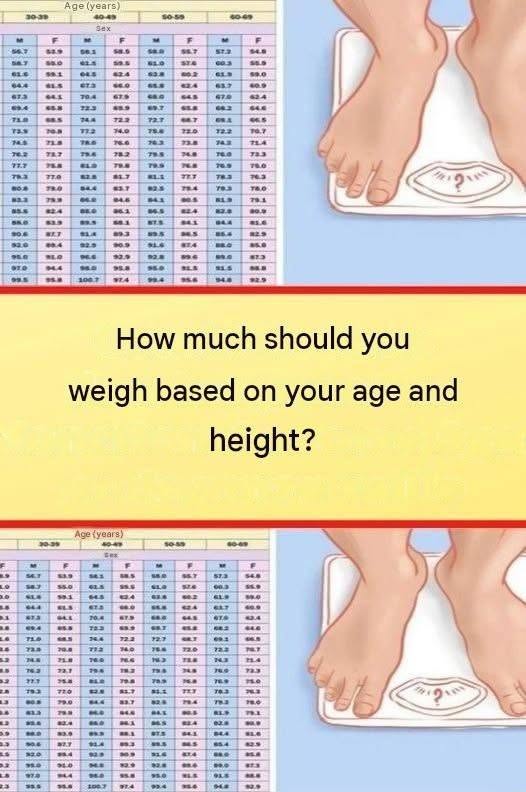
What Is an Ideal Weight? A Complete Guide to Healthy Body Weight
There is no single “ideal weight” that applies to everyone. A healthy weight depends mainly on height, body composition, age, sex, health conditions, and where body fat is stored.
1. BMI is a useful starting point
For adults, BMI is calculated from weight and height. The commonly used categories are:
- Below 18.5: Underweight
- 18.5–24.9: Healthy-weight range
- 25–29.9: Overweight
- 30 or higher: Obesity
BMI is a screening tool, not a diagnosis. Someone with substantial muscle mass, for example, may have a high BMI without having excess body fat.
2. Your waist size matters too
Two people can have the same weight and BMI but very different amounts of abdominal fat. Excess abdominal fat is associated with higher risks of conditions such as type 2 diabetes, heart disease and stroke.
For adults, the CDC identifies waist measurements above 40 inches (102 cm) in men and 35 inches (88 cm) in women as associated with increased health risk.
3. There isn’t a magic number
For example, a healthy weight range for someone who is 5 ft 5 in (165 cm) is quite different from that of someone who is 6 ft (183 cm). That’s why simply saying “your ideal weight should be 60 kg” isn’t medically appropriate.
4. Weight isn’t the whole picture
Blood pressure, cholesterol, blood sugar, physical activity, diet, sleep, medications and medical history also matter when assessing overall health. The CDC specifically recommends considering BMI alongside other health factors.