What Is Atorvastatin?Atorvastatin is a prescription medication in the statin class of drugs. It is used to lower levels of LDL (“bad”) cholesterol and triglycerides while modestly increasing HDL (“good”) cholesterol. By lowering cholesterol and helping stabilize plaque in the arteries, it reduces the risk of heart attacks and strokes.
Why Is It Commonly Prescribed?
Healthcare professionals commonly prescribe atorvastatin to:
- Treat high LDL cholesterol (hypercholesterolemia).
- Reduce the risk of heart attack, stroke, and other cardiovascular events in people with heart disease or those at high risk.
- Help people with diabetes or multiple cardiovascular risk factors lower their chance of developing heart disease.
- Reduce the risk of future cardiovascular events after a heart attack or certain heart procedures.
How Does It Work?
The liver makes most of the body’s cholesterol. Atorvastatin blocks an enzyme called HMG-CoA reductase, which the liver uses to produce cholesterol. As a result:
- LDL cholesterol decreases.
- Triglyceride levels often decrease.
- HDL cholesterol may increase slightly.
How Is It Taken?
- Usually taken once a day, with or without food.
- It should be taken exactly as prescribed.
- Healthy lifestyle habits, including a balanced diet, regular exercise, and not smoking, remain an important part of treatment.
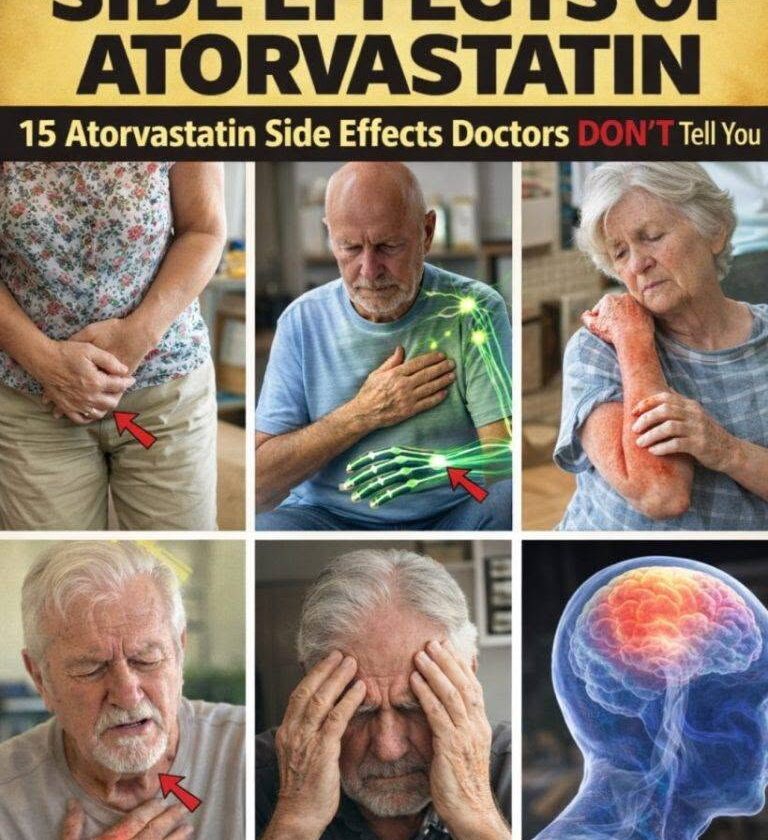
Common Side Effects
Many people take atorvastatin without significant problems. Possible side effects include:
- Muscle aches or soreness
- Joint pain
- Headache
- Nausea
- Diarrhea or constipation
- Indigestion
Rare but Serious Side Effects
Seek medical attention promptly if you develop:
- Severe muscle pain, tenderness, or weakness, especially if accompanied by fever or dark-colored urine.
- Yellowing of the skin or eyes (jaundice).
- Signs of a serious allergic reaction, such as swelling of the face or difficulty breathing.
Important Precautions
- Do not stop taking atorvastatin without talking to your healthcare provider, as stopping it may increase your risk of heart attack or stroke if it was prescribed to reduce that risk.
- Tell your healthcare provider about all medications and supplements you take because some can interact with atorvastatin.
- Drinking large amounts of grapefruit juice can increase atorvastatin levels in the body and raise the risk of side effects.
For many people at elevated cardiovascular risk, the benefits of atorvastatin in preventing heart attacks and strokes outweigh the risk of side effects. If you’re taking atorvastatin and have concerns about symptoms or interactions, discuss them with your healthcare provider, who can help determine whether the medication remains the best choice for you.