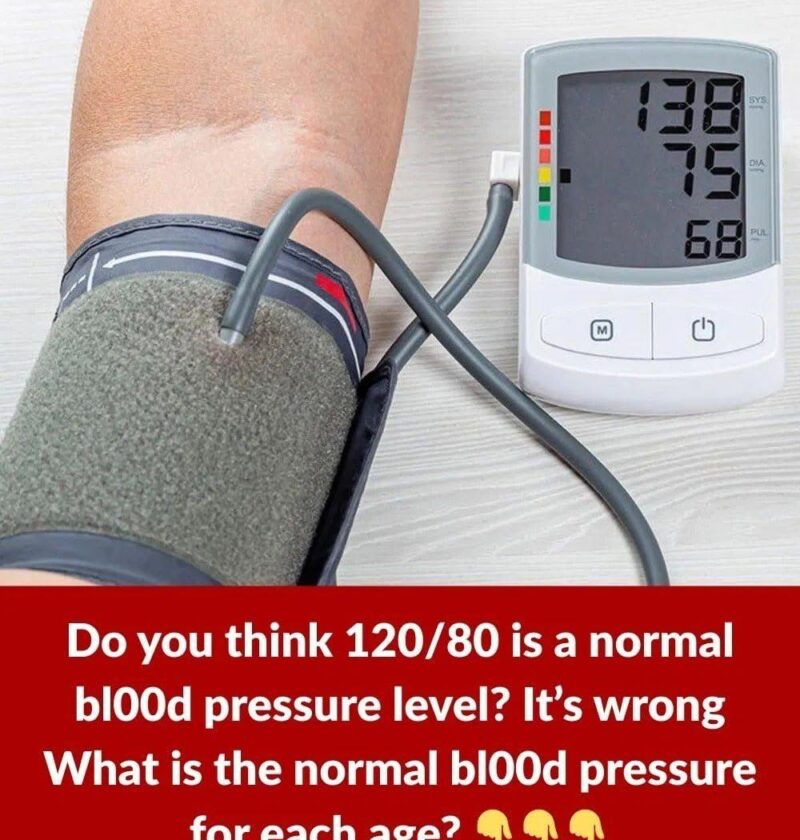
The idea that there is a different “normal blood pressure” number for every age is a common misconception. Blood pressure goals are generally based on overall health, medical conditions, and risk factors—not age alone.
General blood pressure ranges for adults
| Age group | Common healthy range |
|---|---|
| 18–39 years | Around 90/60 to below 120/80 mmHg (if healthy) |
| 40–59 years | Around 90/60 to below 120/80 mmHg (individual goals may vary) |
| 60+ years | Often below 130/80 mmHg is a common treatment goal for many adults, but targets differ depending on health status |
Adult blood pressure categories
- ✅ Normal: Less than 120/80 mmHg
- ⚠️ Elevated: 120–129 systolic and less than 80 diastolic
- 🔴 High blood pressure: 130/80 mmHg or higher (confirmed with repeated readings)
- 🚨 Very high: Around 180/120 mmHg or higher, especially with symptoms such as chest pain, severe headache, weakness, confusion, or vision changes
Tips for an accurate blood pressure reading
- Rest quietly for about 5 minutes before measuring.
- Sit with your back supported and feet flat on the floor.
- Keep your arm supported at heart level.
- Avoid checking right after exercise, caffeine, or smoking.
- Take more than one reading and consider the average.
A single high or low reading does not always mean there is a problem. The most useful information is your usual blood pressure pattern over time and your personal health situation.