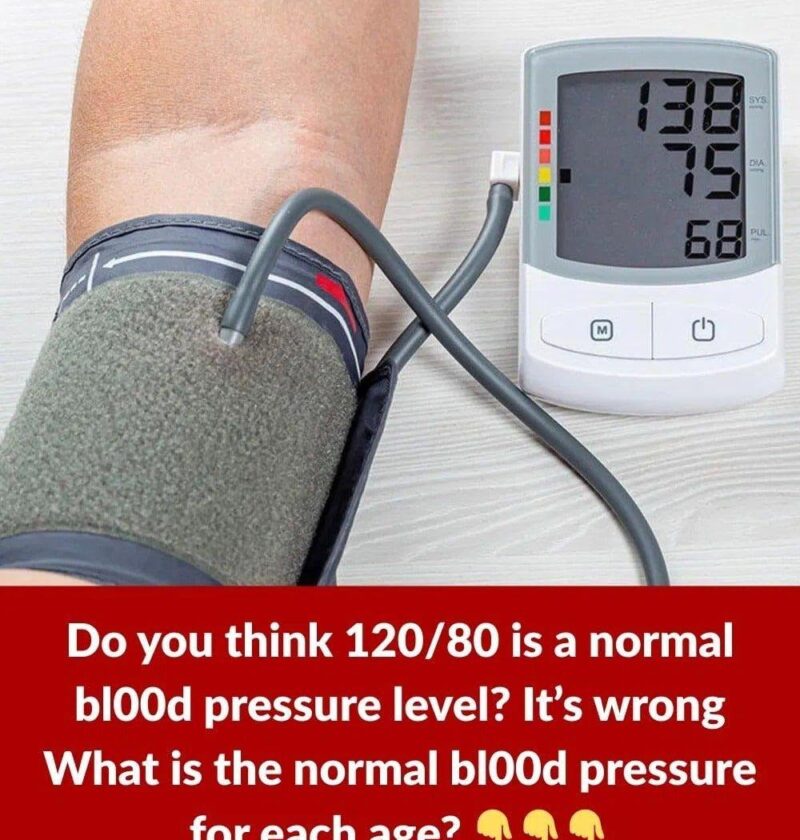
What Is The Normal Blood Pressure For Each Age”
is a common health question. A common misconception is that there is a different “normal” blood pressure number for every age group. In reality, healthy blood pressure targets are generally similar for most adults, although doctors consider age, overall health, medications, and individual risks.
General adult blood pressure categories
| Blood pressure reading | Category |
|---|---|
| Below 120/80 mmHg | Normal |
| 120–129 / below 80 | Elevated |
| 130–139 or 80–89 | High blood pressure (Stage 1) |
| 140 or higher or 90 or higher | High blood pressure (Stage 2) |
| 180/120 or higher | Hypertensive crisis (requires urgent medical attention, especially with symptoms) |
Approximate healthy ranges by age (general guide)
| Age group | Often considered a reasonable target |
|---|---|
| Children | Varies widely by age, height, and sex; pediatric charts are used |
| Teens | Usually around adult ranges, but evaluated individually |
| 18–39 years | Around 90/60 to below 120/80 mmHg is generally considered healthy |
| 40–59 years | Often targeted at below 120/80, though individual goals vary |
| 60+ years | Many adults are still advised to aim for below 130/80, but goals may be adjusted based on health and tolerance |
| 80+ years | Targets are individualized; avoiding dizziness and falls is also important |
Why blood pressure goals may differ in older adults
A healthcare professional may adjust targets based on:
- Heart disease history
- Stroke risk
- Kidney function
- Diabetes
- Medication side effects
- Risk of dizziness or falls
Tips for getting an accurate reading
- Rest quietly for about 5 minutes before measuring.
- Sit with feet flat on the floor and your arm supported.
- Avoid measuring right after exercise, caffeine, or smoking.
- Take multiple readings on different days rather than relying on one number.
A single high reading does not always mean you have hypertension, but consistently elevated readings should be discussed with a healthcare professional.