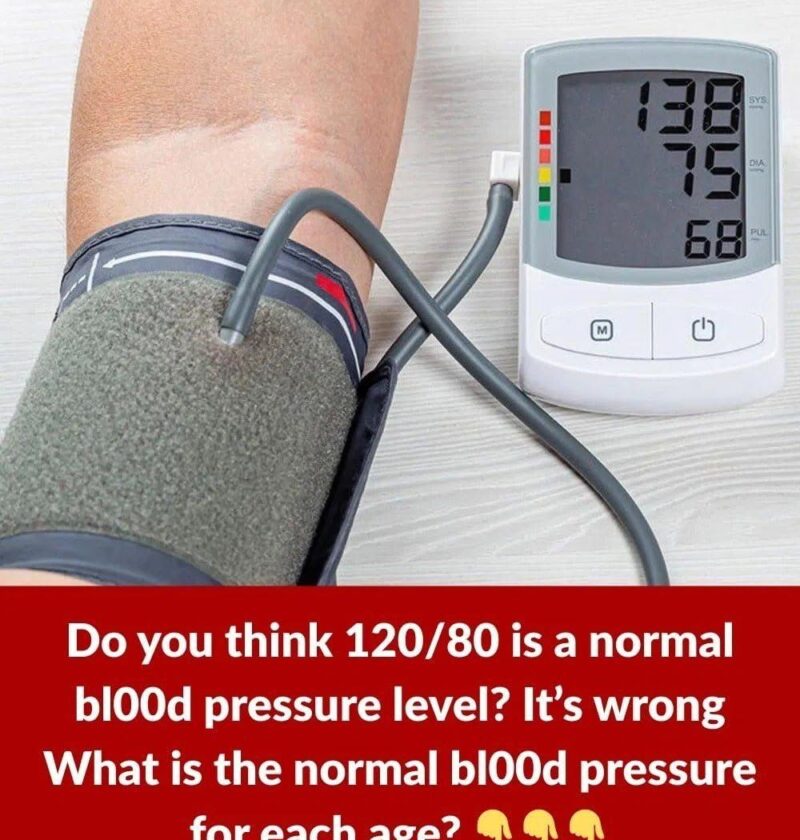
What Is the Normal Blood Pressure for Each Age?
Blood pressure does not have a completely different “normal” range for every age. In general, healthy blood pressure for most adults is around:
Normal: less than 120/80 mmHg
- 120 = systolic pressure (pressure when the heart beats)
- 80 = diastolic pressure (pressure when the heart relaxes)
As people get older, blood pressure often rises slightly because arteries become less flexible, but consistently high readings should still be evaluated.
Approximate Blood Pressure Ranges by Age
| Age Group | Typical Healthy Range (Approx.) |
|---|---|
| Children (varies by height and age) | About 90–120 / 60–80 mmHg |
| Teens (13–17) | About 100–120 / 65–80 mmHg |
| Adults (18–39) | Around 90–120 / 60–80 mmHg |
| Adults (40–59) | Around 100–130 / 60–80 mmHg |
| Adults 60+ | Often around 110–130 / 60–80 mmHg (individual targets vary) |
Blood Pressure Categories for Adults
- Normal: Below 120/80 mmHg
- Elevated: 120–129 and less than 80 mmHg
- High blood pressure (Stage 1): 130–139 or 80–89 mmHg
- High blood pressure (Stage 2): 140 or higher or 90 or higher
- Hypertensive crisis: 180 and/or 120 or higher (requires urgent medical attention, especially with symptoms)
When Blood Pressure May Be Concerning
Seek medical advice if readings are repeatedly high or if you have symptoms such as:
- Chest pain
- Severe headache
- Shortness of breath
- Confusion
- Vision changes
- Weakness or numbness on one side of the body
A single unusual reading does not always mean you have hypertension. Blood pressure varies with stress, activity, sleep, caffeine, illness, and medications, so repeated measurements taken correctly are more useful.
If you share your age and your blood pressure reading (for example, 145/90), I can help interpret where it falls.