Why Do Leg Cramps Happen While Sleeping? Common Causes Explained
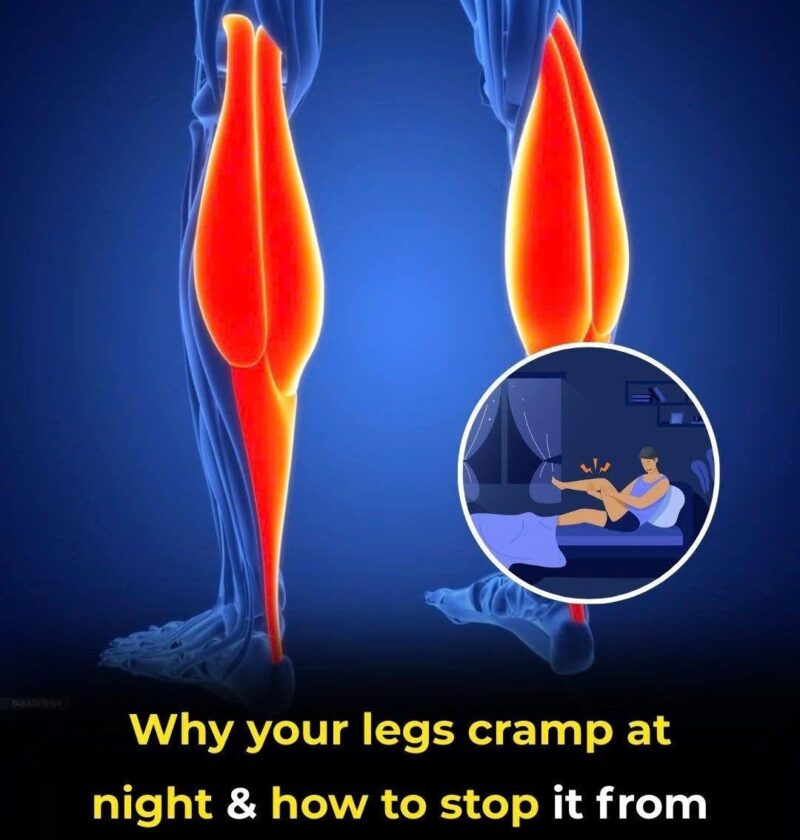
Night-time leg cramps are sudden, painful muscle contractions that most often affect the calf, but they can also occur in the feet or thighs. They can last from a few seconds to several minutes, and the muscle may remain sore afterwards.
Occasional cramps are common and usually aren’t a sign of a serious problem, but frequent or severe cramps deserve medical attention.
1. Muscle Fatigue or Overuse
Exercising more than usual, standing for long periods, or overworking your muscles during the day can make cramps more likely at night.
2. Dehydration
Not drinking enough fluids can contribute to muscle cramps, especially after sweating heavily or during hot weather.
3. Prolonged Sitting or Sleeping Position
Keeping your feet pointed downward while sleeping or sitting for long periods may shorten the calf muscles and trigger cramps.
4. Pregnancy
Night-time leg cramps are common during pregnancy, particularly in the second and third trimesters. The exact cause isn’t fully understood but may involve changes in circulation, muscle fatigue, and increased demands on the body.
5. Certain Medical Conditions
Frequent leg cramps may be associated with conditions such as:
- Diabetes
- Kidney disease
- Peripheral artery disease (poor circulation)
- Nerve disorders
- Thyroid disorders
Having cramps does not necessarily mean you have one of these conditions, but persistent symptoms should be assessed.
6. Some Medications
Leg cramps can occasionally occur as a side effect of certain medicines, including some:
- Diuretics (“water tablets”)
- Statins (used to lower cholesterol)
- Other medications, depending on the individual
If you think a medicine is contributing to your symptoms, don’t stop taking it on your own. Speak with your healthcare professional about your concerns.
7. Low Levels of Certain Minerals
Low levels of minerals such as magnesium, potassium, or calcium can contribute to muscle cramps in some people, although they are not the cause of most night-time leg cramps in otherwise healthy adults.
What Can Help?
You may find relief by:
- Gently stretching the affected muscle.
- Walking around for a few minutes.
- Massaging the cramp.
- Applying a warm towel or heating pad to relax the muscle.
- Staying well hydrated throughout the day.
- Stretching your calf muscles before bed if cramps are frequent.
When to See a Healthcare Professional
Arrange an appointment if your leg cramps:
- Occur frequently or are becoming more severe.
- Last a long time or are difficult to relieve.
- Are accompanied by muscle weakness, numbness, or swelling.
- Disturb your sleep regularly.
- Started after beginning a new medication.
Seek urgent medical care if leg pain is accompanied by significant swelling, redness, warmth, or sudden shortness of breath, as these symptoms can indicate a serious condition requiring prompt assessment.