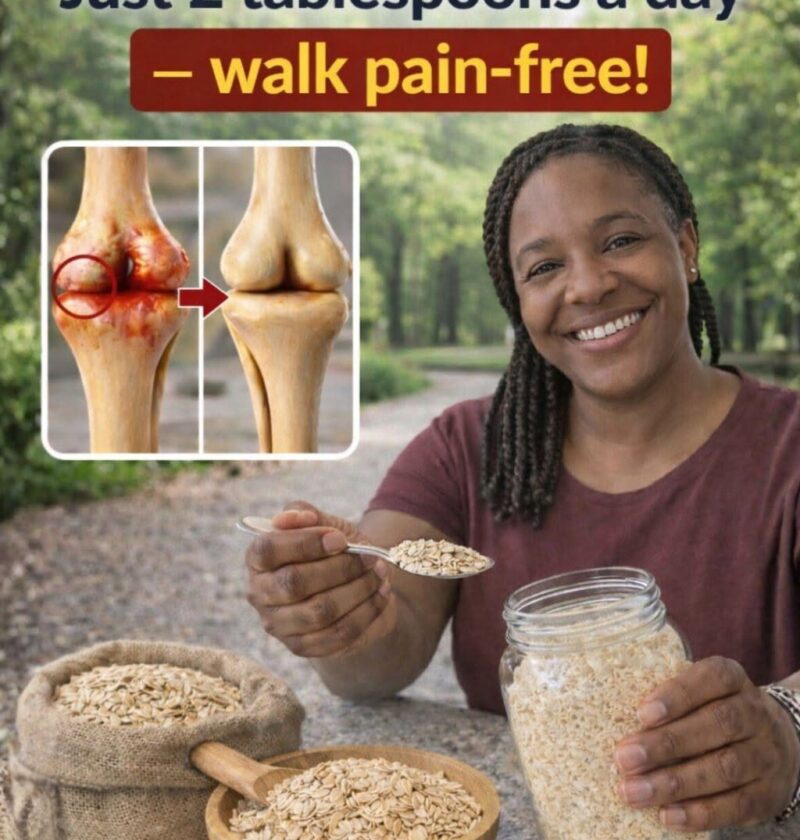
Knee discomfort becomes more common with age because the knee is a weight-bearing joint that experiences years of use. However, aging alone is not always the cause—lifestyle, injuries, body weight, and underlying medical conditions also play important roles.
Common reasons knee discomfort increases with age
- Osteoarthritis
- The most common cause in older adults.
- Cartilage that cushions the joint gradually wears down, leading to pain, stiffness, swelling, and reduced mobility.
- Loss of muscle strength
- Weakness in the quadriceps, hamstrings, and hip muscles reduces support for the knee, increasing stress on the joint.
- Reduced flexibility
- Tendons and ligaments become less flexible over time, making movement feel stiffer.
- Previous injuries
- Old injuries such as ligament tears or meniscus damage can increase the risk of developing arthritis later in life.
- Excess body weight
- Carrying extra weight places additional force on the knees during walking and climbing stairs.
- Inflammatory conditions
- Diseases such as rheumatoid arthritis or gout can cause knee pain, swelling, and stiffness.
Ways to reduce knee discomfort
- Stay active. Low-impact activities like walking, cycling, swimming, or water aerobics help keep joints mobile.
- Strengthen your muscles. Exercises targeting the thighs, hips, and core improve knee stability.
- Maintain a healthy weight. Even modest weight loss can reduce stress on the knees.
- Stretch regularly. Gentle stretching helps maintain flexibility.
- Use supportive footwear. Well-cushioned shoes can reduce impact on the knees.
- Apply heat or cold.
- Heat may help relieve stiffness.
- Cold packs can help reduce pain and swelling after activity.
- Use pain-relieving medications appropriately. Acetaminophen or nonsteroidal anti-inflammatory drugs (NSAIDs) may help some people, but they are not suitable for everyone and should be used according to medical advice and label directions.
When to see a healthcare professional
Seek medical evaluation if you have:
- Severe pain after an injury.
- Significant swelling, redness, or warmth in the knee.
- Fever along with a swollen joint.
- Inability to bear weight or straighten the knee.
- Pain that persists for several weeks despite self-care.
- Repeated episodes of the knee locking or giving way.
The bottom line
While knee discomfort becomes more common with age, it is not an inevitable part of aging. Regular physical activity, strengthening exercises, maintaining a healthy weight, and addressing injuries or medical conditions early can help reduce pain, improve function, and support long-term joint health.