Here are the main reasons:
🧓 1. Fall prevention (biggest reason)
Older adults are at higher risk of slipping, especially on:
- Tile or wooden floors
- Smooth bathroom surfaces
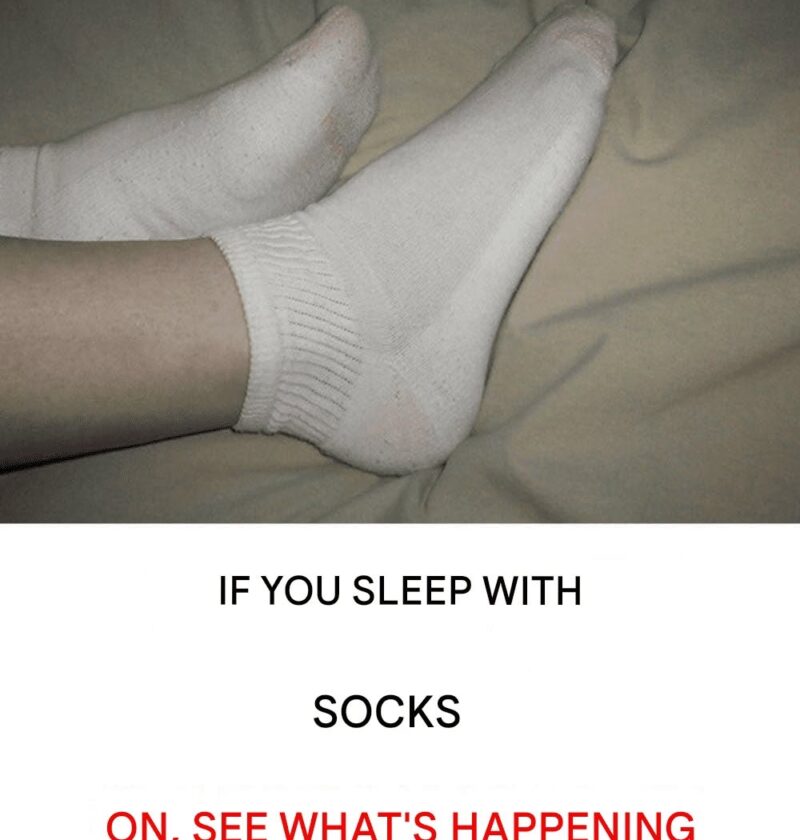
Wearing non-slip socks can improve grip and reduce fall risk.
🩸 2. Better circulation support
With age, circulation can slow, especially in the feet. Socks can help:
- Keep feet warm, which improves blood flow
- Reduce discomfort in people with poor circulation or conditions like:
- Type 2 Diabetes (which can affect nerves and circulation)
❄️ 3. Temperature regulation
Seniors often feel cold more easily due to:
- Reduced metabolism
- Thinner skin and less fat insulation
Warm feet help the whole body feel more comfortable.
🦶 4. Foot protection
Socks protect feet from:
- Minor cuts or scrapes
- Cold floors
- Dry skin cracking
This is especially important for people with reduced sensation in the feet.
🧠 5. Nerve protection in diabetes
Some seniors have reduced foot sensation due to nerve damage (neuropathy), often linked with:
- Diabetes mellitus
Socks provide a protective barrier against unnoticed injuries.
⚠️ When socks may NOT be helpful
- If socks are too tight, they can restrict circulation
- Thick or slippery socks without grip can increase fall risk
- People with certain circulation disorders may need special guidance
🟢 Best choice
- Soft, breathable socks
- Non-slip soles for indoor use
- Proper fit (not tight around ankles)
🧠 Bottom line
Socks at home are not a medical requirement for everyone, but for many older adults they improve comfort, warmth, and safety—especially fall prevention.
If you want, I can suggest the best types of socks for seniors with diabetes, swollen feet, or poor circulation.