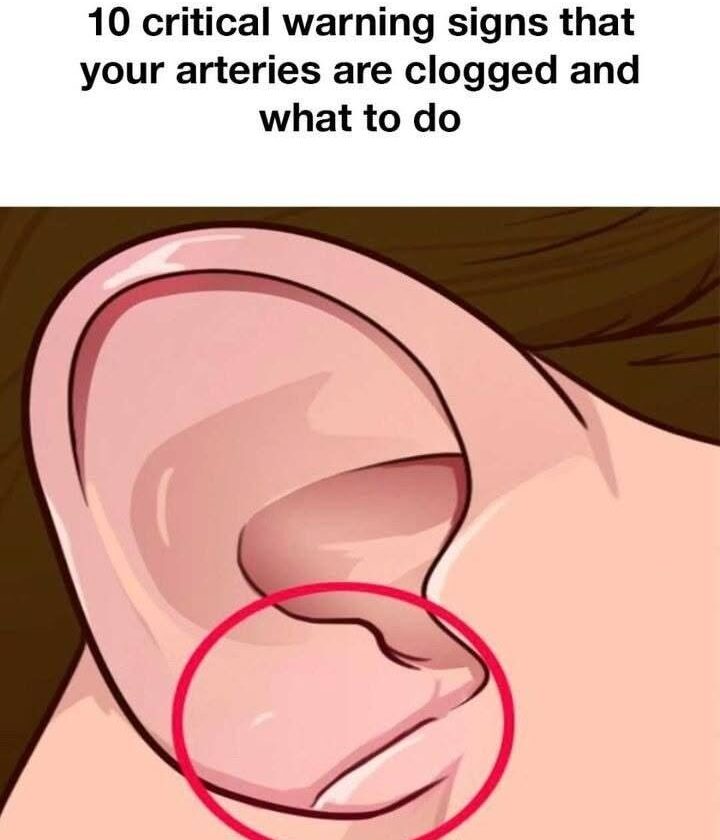
10 Warning Signs That May Suggest Narrowed or Blocked Arteries
Blocked or narrowed arteries (known as atherosclerosis) develop gradually as fatty deposits (plaques) build up inside the arteries. Many people have no symptoms until blood flow is significantly reduced or a heart attack or stroke occurs.
The symptoms below do not always mean your arteries are blocked, but they should not be ignored, especially if you have risk factors such as smoking, diabetes, high blood pressure, or high cholesterol.
1. Chest Pain (Angina)
A feeling of pressure, tightness, heaviness, or pain in the chest—particularly during physical activity or emotional stress—may occur when the heart isn’t getting enough blood.
2. Shortness of Breath
Reduced blood flow to the heart can make it harder to keep up with physical activity, causing breathlessness during everyday tasks.
3. Pain in the Legs When Walking
Pain, cramping, or aching in the calves, thighs, or buttocks that improves with rest may be a sign of peripheral artery disease, where arteries in the legs are narrowed.
4. Numbness or Weakness on One Side
Sudden weakness, numbness, or difficulty speaking can be a warning sign of a stroke or transient ischaemic attack (TIA) and requires immediate emergency medical care.
5. Cold or Pale Feet
Poor circulation can cause:
- Cold feet or legs
- Pale or bluish skin
- Slow-healing sores on the feet or legs
6. Erectile Dysfunction
In some men, erectile dysfunction can be an early sign of blood vessel disease because the arteries supplying the penis are relatively small.
7. Fatigue
Persistent, unexplained fatigue—particularly during exertion—may be a symptom of heart disease, especially in women.
8. Pain in the Neck, Jaw, Shoulder, or Arm
Heart-related pain isn’t always felt in the chest. It may spread to the:
- Jaw
- Neck
- Shoulder
- Back
- Left or right arm
9. Slow-Healing Wounds on the Feet or Legs
Poor circulation can reduce oxygen delivery to tissues, making wounds heal more slowly.
10. Heart Attack Symptoms
Seek emergency medical help immediately if you experience:
- Chest pain or pressure lasting more than a few minutes
- Pain spreading to the arm, jaw, neck, shoulder, or back
- Shortness of breath
- Cold sweat
- Nausea or vomiting
- Feeling faint or light-headed
These can be signs of a heart attack.
Risk Factors for Clogged Arteries
You are at higher risk if you have:
- High blood pressure
- High LDL (“bad”) cholesterol
- Diabetes
- Smoking
- Obesity
- Physical inactivity
- A family history of early heart disease
- Older age
What You Can Do to Lower Your Risk
Evidence-based ways to reduce the risk of artery disease include:
- Don’t smoke or vape tobacco products.
- Eat a diet rich in vegetables, fruits, whole grains, beans, nuts, and fish.
- Limit foods high in saturated fat, trans fat, and added sugar.
- Be physically active most days of the week.
- Maintain a healthy weight.
- Control blood pressure, cholesterol, and diabetes with lifestyle changes and medications if prescribed.
- Take medications exactly as directed by your healthcare professional.
When to Seek Emergency Care
Call your local emergency services immediately if you or someone else has:
- Chest pain that lasts more than a few minutes or comes back repeatedly
- Sudden weakness or numbness on one side of the body
- Trouble speaking or understanding speech
- Sudden vision loss
- Severe shortness of breath
- Fainting
These symptoms can indicate a heart attack or stroke, where prompt treatment is critical.