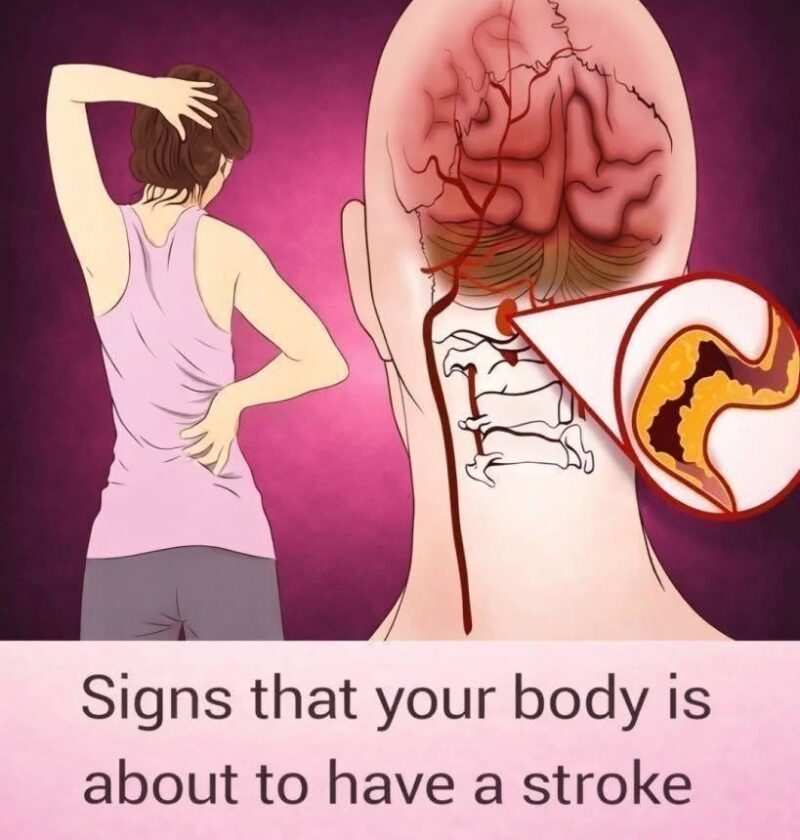
Here are 10 early warning signs everyone should know:
1. Sudden weakness or numbness
Especially on one side of the body (face, arm, or leg). You might notice a drooping arm or difficulty gripping objects.
2. Facial drooping
One side of the face may sag or feel numb. A person may have an uneven smile.
3. Slurred or confused speech
Speech may become:
- Slurred
- Slow
- Hard to understand
Or the person may struggle to find words.
4. Sudden vision problems
This can include:
- Blurred vision
- Double vision
- Loss of vision in one or both eyes
5. Severe sudden headache
A sudden, intense headache with no clear cause (often described as “the worst headache of my life”), especially in hemorrhagic strokes.
6. Dizziness or loss of balance
Trouble walking, unsteadiness, or sudden loss of coordination.
7. Confusion or difficulty understanding
The person may seem disoriented or unable to follow simple instructions.
8. Numbness or tingling
Especially sudden numbness in the face, arm, or leg on one side.
9. Trouble swallowing
Difficulty swallowing or choking unexpectedly.
10. Sudden fatigue or collapse
Extreme, unexplained tiredness or fainting can sometimes occur.
FAST rule (most important to remember)
If you suspect stroke, use FAST:
- F – Face: Is one side drooping?
- A – Arms: Can both arms be raised?
- S – Speech: Is speech slurred or strange?
- T – Time: Call emergency services immediately
Important note
Some symptoms may come and go briefly—this could be a Transient ischemic attack, often called a “mini-stroke.” A TIA is a major warning sign that a full stroke may follow soon.
Bottom line
Stroke symptoms usually appear suddenly. Even if symptoms improve within minutes, it is still an emergency. Immediate medical attention can significantly reduce brain damage and save lives.
If you want, I can also explain how stroke symptoms differ from low blood sugar, anxiety, or vertigo, since those are commonly confused in real situations.