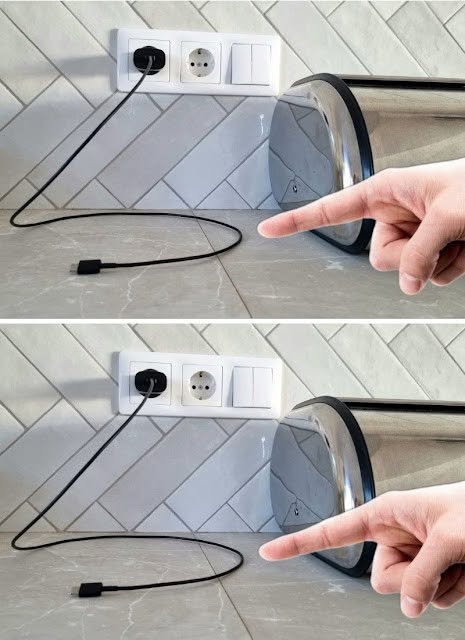
The headline “Never leave a charger in an outlet without your phone” is more dramatic than the evidence supports.
Modern chargers are designed to remain plugged in safely when they’re not charging a device. However, there are a few reasonable considerations:
1. It uses a small amount of electricity
- Most modern chargers draw a very small amount of standby power when plugged in.
- For a single charger, the cost is usually minimal.
2. It can wear out over time
- Keeping a charger plugged in continuously may contribute to gradual wear from heat and electrical stress, although quality chargers are built to handle this.
3. There is a small safety consideration
- Any electrical device can fail, though this is uncommon with chargers from reputable manufacturers that are in good condition.
- The risk is higher if the charger is:
- Damaged or cracked.
- A low-quality or counterfeit product.
- Used in a wet area.
- Connected to faulty electrical wiring.
Good safety practices
- Use chargers from reputable manufacturers.
- Replace chargers with frayed cables, burn marks, or loose plugs.
- Keep chargers away from water and excessive heat.
- Unplug chargers if you’ll be away for an extended period or during severe electrical storms if recommended in your area.
So, there is no evidence that a charger should “never” be left plugged in. For a modern, undamaged charger used correctly, the risk is generally low, though unplugging it when not needed can save a small amount of energy and eliminate even that small risk.