Night cramps (especially leg cramps that happen during sleep) can affect anyone, but some people are more likely to experience them.
People at higher risk include:
- Older adults
- Muscle mass, flexibility, and circulation can change with age, making cramps more common.
- People who are physically inactive
- Tight or weakened muscles may cramp more easily.
- People who do intense exercise or overuse muscles
- Long walks, heavy workouts, or standing for long periods can trigger cramps.
- People who are dehydrated
- Low fluid intake, heavy sweating, or illness can contribute to muscle cramping.
- Pregnant people
- Leg cramps are common, especially in later pregnancy.
- People with certain medical conditions
- Diabetes, kidney disease, thyroid disorders, nerve problems, and circulation issues may increase risk.
- People taking certain medications
- Some medicines (such as certain diuretics or cholesterol-lowering drugs) may be associated with muscle cramps in some individuals.
- People with low levels of certain nutrients
- Low magnesium, potassium, or calcium can contribute in some cases, though supplements are not always the solution unless a deficiency is present.
When to get medical advice
Seek evaluation if cramps are:
- New and severe
- Happening very frequently
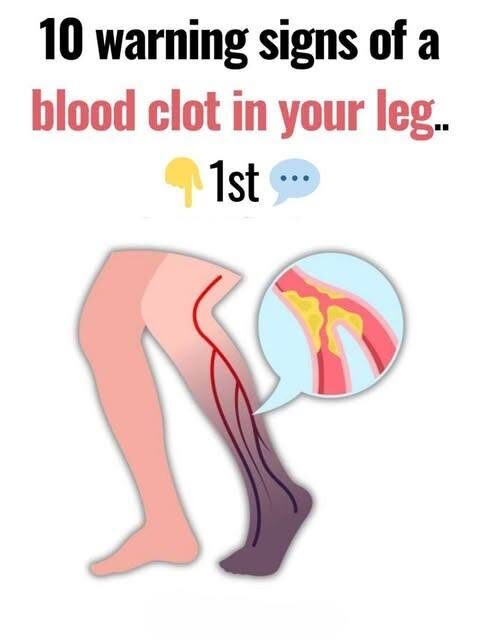
- Associated with swelling, redness, weakness, numbness, or changes in walking
- Occurring with unexplained weight loss or other concerning symptoms
For occasional cramps, gentle stretching before bed, staying active, and maintaining good hydration may help.