Atorvastatin is a prescription medication used to lower cholesterol and reduce the risk of heart attacks and strokes. It belongs to a class of medicines called statins, which are among the most commonly prescribed cholesterol-lowering drugs.
What does atorvastatin do?
It works by reducing the amount of cholesterol your liver produces. This can:
- Lower LDL (“bad”) cholesterol.
- Lower triglycerides.
- Slightly increase HDL (“good”) cholesterol.
- Slow the buildup of plaque in the arteries.
Why is it commonly prescribed?
Doctors may prescribe atorvastatin if you:
- Have high LDL cholesterol.
- Have had a heart attack, stroke, or other cardiovascular disease.
- Have diabetes and an increased risk of heart disease.
- Have a high estimated risk of developing cardiovascular disease based on factors such as age, blood pressure, cholesterol levels, and smoking history.
Common side effects
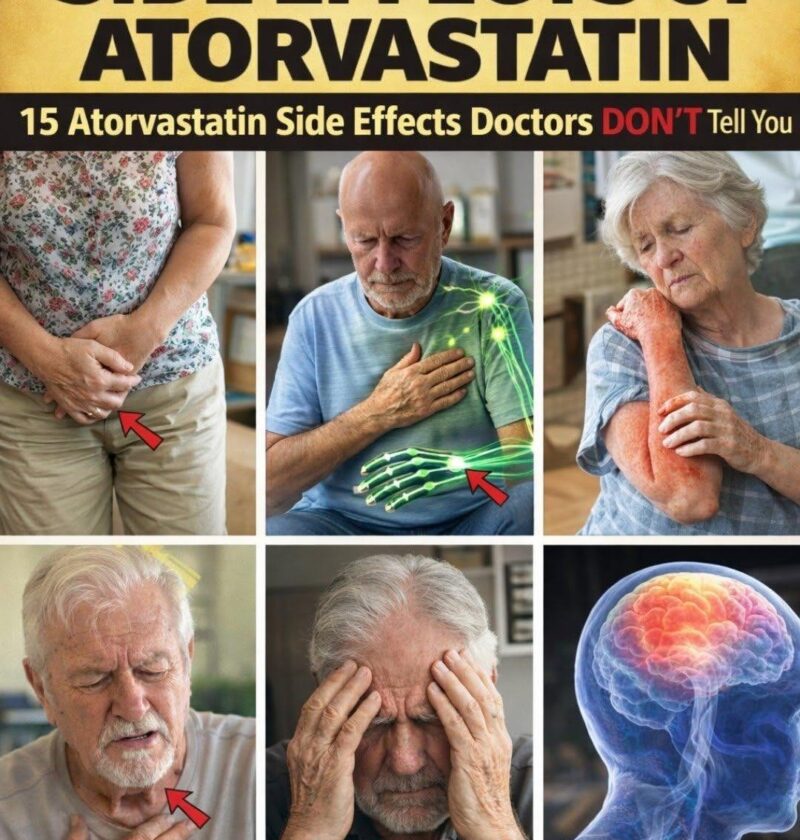
Many people take atorvastatin without significant problems. Possible side effects include:
- Muscle aches or soreness.
- Headache.
- Mild digestive symptoms, such as nausea or diarrhea.
- Mild increases in liver enzymes on blood tests.
Rare but serious side effects
Seek medical attention if you develop:
- Severe muscle pain or weakness.
- Dark-colored urine.
- Yellowing of the skin or eyes.
- Severe allergic reactions.
Tips for taking atorvastatin
- Take it exactly as prescribed.
- Do not stop taking it without talking to your healthcare provider, as stopping may increase your cardiovascular risk.
- Tell your doctor about all other medicines and supplements you take, since some can interact with atorvastatin.
- A heart-healthy diet, regular physical activity, and avoiding smoking remain important even if you are taking a statin.
For people at increased risk of cardiovascular disease, atorvastatin has strong evidence for reducing the chance of heart attack, stroke, and other serious cardiovascular events. The decision to use it should be based on an individual’s overall health and risk profile, in discussion with their healthcare provider.