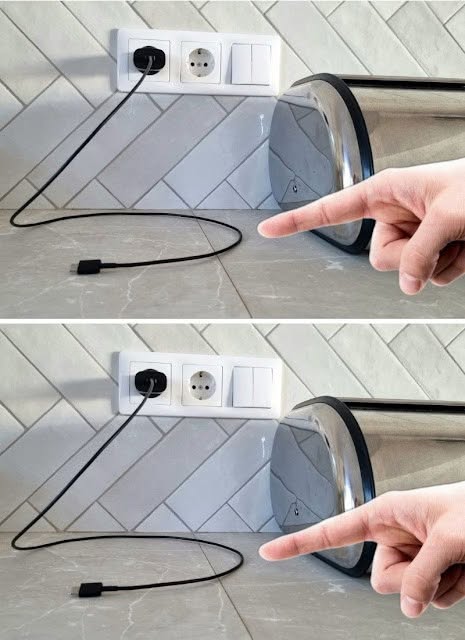
The headline “NEVER LEAVE A CHARGER IN AN OUTLET WITHOUT YOUR PHONE: I’LL REVEAL THE 3 MAIN REASONS” is somewhat exaggerated. While there are valid reasons to unplug a charger when it’s not in use, leaving a modern, certified charger plugged in is generally not dangerous.
Here are the three main considerations:
1. It still uses a small amount of electricity
A charger left plugged into an outlet continues to draw a tiny amount of power, known as standby or no-load power.
- Modern chargers are designed to minimize this consumption.
- The cost is usually very low, but unplugging chargers can save a small amount of energy over time.
2. It can wear out over time
Chargers contain electronic components that age gradually.
- Constant exposure to power and heat can shorten their lifespan.
- Unplugging a charger when it’s not needed may help it last longer, although the effect is usually modest.
3. It can pose a safety risk under certain conditions
A quality charger from a reputable manufacturer is generally safe to leave plugged in. However, risks increase if:
- The charger is damaged or cracked.
- It is a cheap counterfeit or uncertified charger.
- The outlet is loose or damaged.
- It is exposed to water or excessive heat.
In these situations, there is a greater risk of overheating or electrical failure.
Best practices
- Use chargers that meet recognized safety standards.
- Replace chargers with damaged cables, plugs, or housings.
- Unplug chargers during long trips or if they won’t be used for an extended period.
- Keep chargers away from water and flammable materials.
- Avoid using counterfeit or poorly made chargers.
Bottom line: Leaving a modern, certified charger plugged into the wall without your phone connected is usually safe and uses only a very small amount of electricity. Unplugging it when not in use is still a good habit for reducing energy waste, minimizing wear, and eliminating even the small risk associated with any powered electrical device.