Knowing the warning signs of a stroke can save a life. A stroke is a medical emergency because treatment is most effective when started as soon as possible.
Here are some of the most important warning signs:
- Sudden numbness or weakness in the face, arm, or leg, especially on one side of the body.
- Sudden facial drooping, such as one side of the face sagging or an uneven smile.
- Sudden difficulty speaking or understanding speech. Speech may become slurred or confusing.
- Sudden vision problems in one or both eyes, including blurred vision, double vision, or partial vision loss.
- Sudden trouble walking, dizziness, or loss of balance or coordination.
- Sudden severe headache with no obvious cause, particularly if it’s unlike any headache you’ve had before.
- Sudden confusion or difficulty following simple instructions.
- Sudden weakness or clumsiness in one arm or one leg.
- Difficulty swallowing, especially if it appears suddenly along with other neurological symptoms.
- Sudden loss of consciousness or fainting, although this is less common and can have many other causes.
Remember the FAST test
A simple way to recognize the most common stroke symptoms is FAST:
- F – Face: Ask the person to smile. Does one side droop?
- A – Arms: Ask them to raise both arms. Does one drift downward?
- S – Speech: Ask them to repeat a simple sentence. Is it slurred or unusual?
- T – Time: If you notice any of these signs, call your local emergency services immediately.
Why acting quickly matters
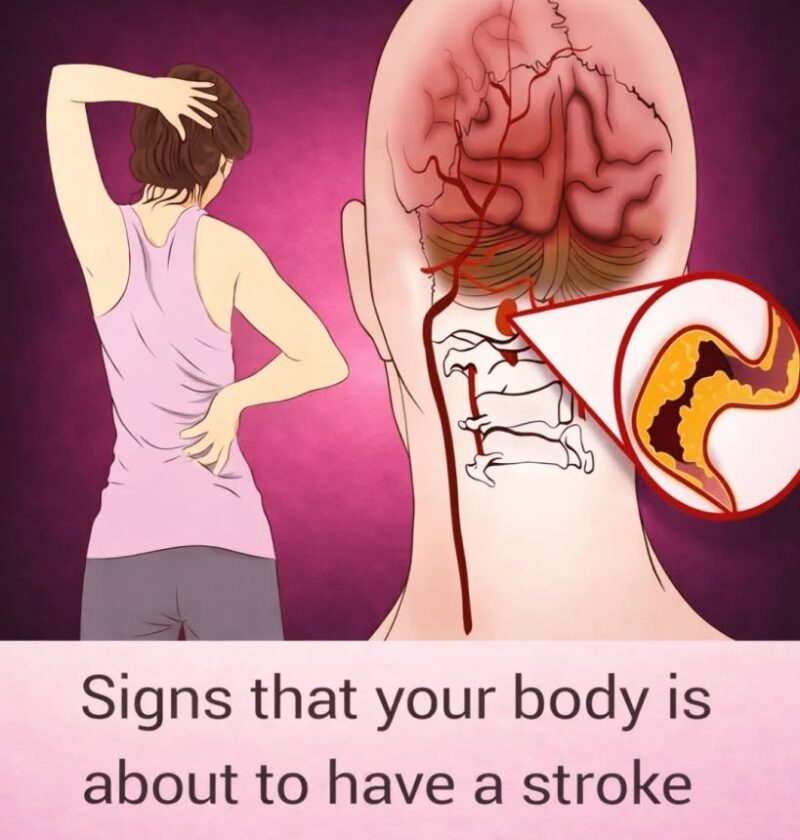
A stroke occurs when blood flow to part of the brain is interrupted or when a blood vessel in the brain ruptures. Prompt treatment can reduce brain damage and improve the chances of recovery.
Common risk factors
Risk is higher in people with:
- High blood pressure
- Diabetes
- High cholesterol
- Smoking
- Atrial fibrillation
- Obesity
- Physical inactivity
Important note
Stroke symptoms are usually sudden, not gradual. If symptoms disappear after a few minutes, they could be due to a Transient ischemic attack (“mini-stroke”), which is also a medical emergency because it can be a warning of a future stroke.
If you or someone else develops sudden stroke symptoms, don’t wait to see if they improve—seek emergency medical care immediately.