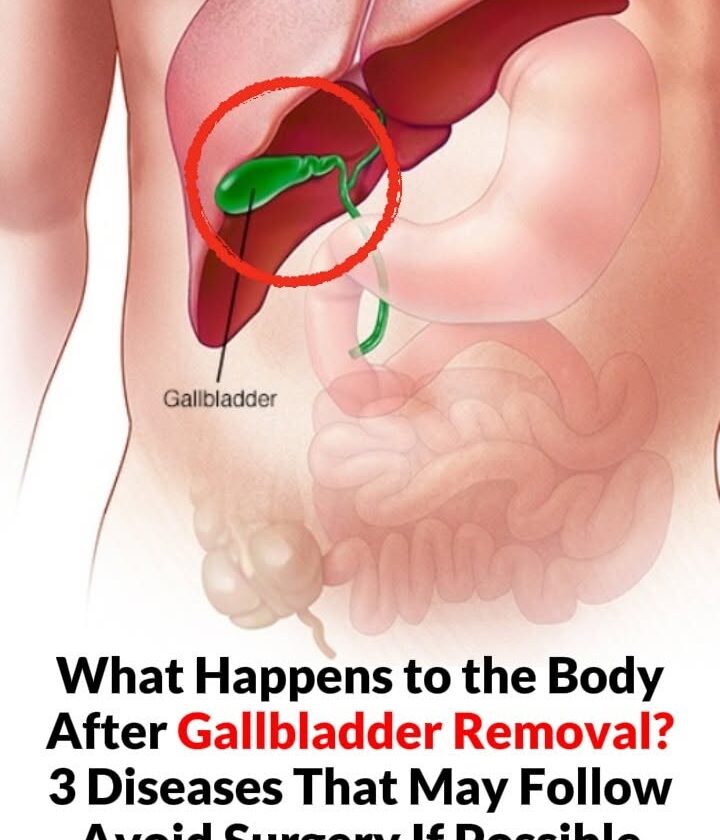
Gallbladder removal is one of the most common abdominal operations and is usually recommended only when the benefits outweigh the risks, such as for painful gallstones, gallbladder inflammation, or complications like pancreatitis.
What changes after gallbladder removal?
The gallbladder stores bile and releases it when you eat. After surgery, bile flows directly from the liver into the small intestine. Most people adapt well to this change.
Possible long-term issues
1. Diarrhea
- Some people have loose stools, especially after fatty meals.
- This is usually mild and often improves within weeks or months.
- Eating smaller, lower-fat meals can help.
2. Bloating or indigestion
- Some people notice gas, bloating, or discomfort after eating.
- These symptoms are often temporary and may improve with dietary adjustments.
3. Post-cholecystectomy syndrome
- This is a term for persistent symptoms such as abdominal pain or digestive problems after surgery.
- It affects a minority of patients and may be due to retained bile duct stones, changes in bile flow, or another digestive condition rather than the surgery itself.
Does surgery cause new diseases?
The claim that gallbladder removal commonly causes “three diseases” is not supported by strong evidence. While some studies have explored links between gallbladder removal and certain digestive conditions, most people do not develop serious long-term illnesses because of the operation.
Should you “avoid surgery if possible”?
It depends on the situation:
- If you have gallstones but no symptoms, surgery often isn’t needed.
- If you have recurrent gallstone attacks, gallbladder infection, bile duct blockage, or gallstone pancreatitis, surgery is frequently the safest and most effective treatment.
Delaying surgery when it’s clearly indicated can increase the risk of serious complications.
Bottom line
Gallbladder removal can cause some digestive changes, but most people recover well and experience significant relief from their symptoms. The decision to have surgery should be based on your symptoms, imaging results, and your healthcare team’s advice—not on fear-inducing headlines.
If you’re asking because you or someone you know has gallstones, I can explain when surgery is usually recommended and when watchful waiting is a reasonable option.