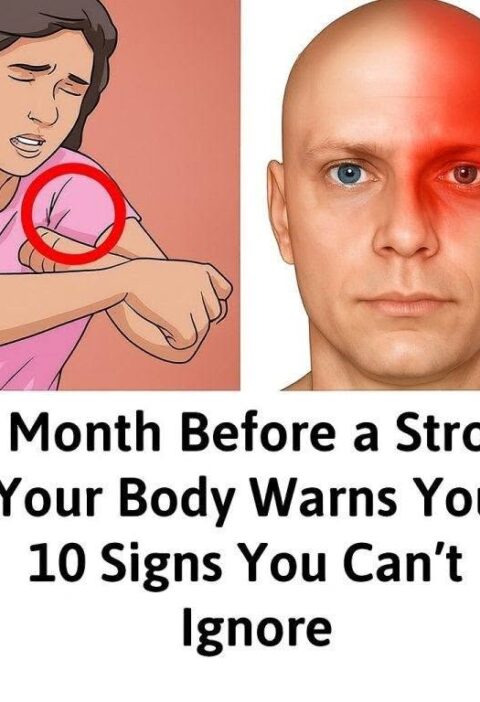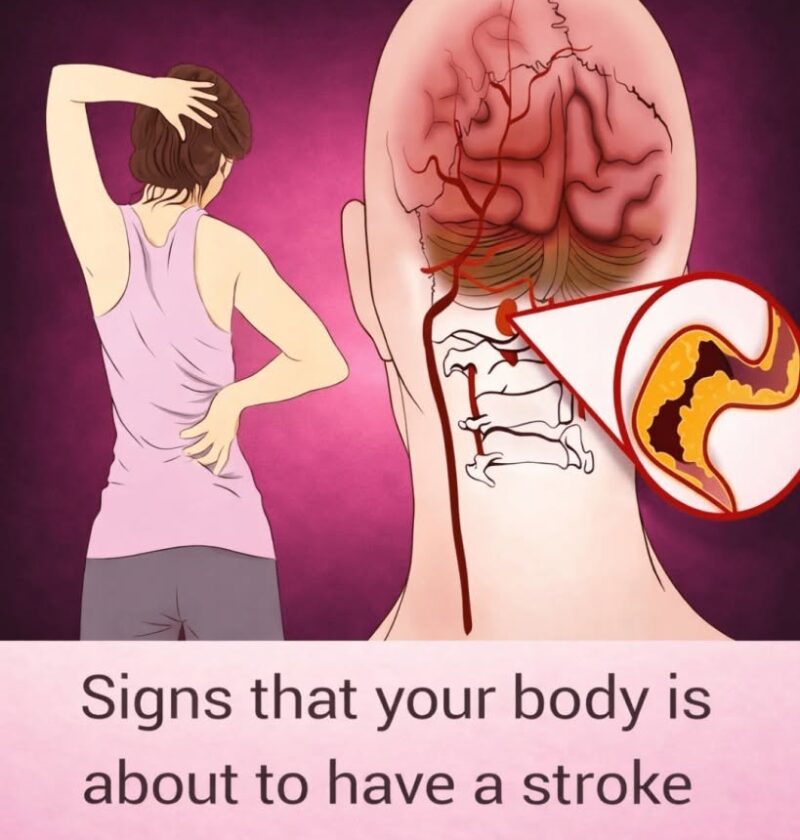
10 Early Warning Signs of a Stroke Everyone Should Know to Take Prompt Action
A stroke happens when blood flow to part of the brain is blocked or when a blood vessel in the brain bursts. Because brain cells can become damaged quickly, recognizing warning signs and getting emergency care immediately can make a major difference.
1. Sudden Face Drooping
- One side of the face may feel weak or numb.
- A smile may look uneven or one-sided.
2. Sudden Arm or Leg Weakness
- Weakness, heaviness, or numbness—especially on one side of the body—can be a warning sign.
3. Trouble Speaking or Understanding Speech
- Speech may become slurred.
- A person may have difficulty finding words or understanding others.
4. Sudden Confusion
- New confusion, disorientation, or difficulty following a conversation can occur.
5. Sudden Trouble Walking
- Loss of balance, dizziness, coordination problems, or difficulty walking may appear.
6. Sudden Vision Changes
- Blurred vision, double vision, or loss of vision in one or both eyes can be a stroke symptom.
7. Sudden Severe Headache
- A sudden, intense headache—especially one unlike previous headaches—may be a warning sign, particularly if accompanied by other symptoms.
8. Sudden Numbness or Tingling
- Unexpected numbness or loss of sensation in the face, arm, or leg should be taken seriously.
9. Difficulty Swallowing
- Stroke can affect the muscles needed for safe swallowing.
10. Sudden Loss of Coordination
- Trouble controlling movements or performing normal tasks may occur.
Remember FAST
F — Face: Ask the person to smile. Does one side droop?
A — Arms: Ask them to raise both arms. Does one drift downward?
S — Speech: Ask them to repeat a simple sentence. Is speech unclear?
T — Time: Call emergency services immediately if any sign appears.
What to Do If You Suspect a Stroke
- Call emergency services right away.
- Note the time symptoms started (or the last time the person was known to be well).
- Do not give food, drinks, or medications unless advised by medical professionals.
- Do not wait to see if symptoms improve.
Some strokes are treatable with time-sensitive treatments, and quick action can improve the chances of recovery. Even if symptoms disappear after a few minutes (a possible transient ischemic attack, or TIA), urgent medical evaluation is still important because it can be a warning sign of a future stroke.