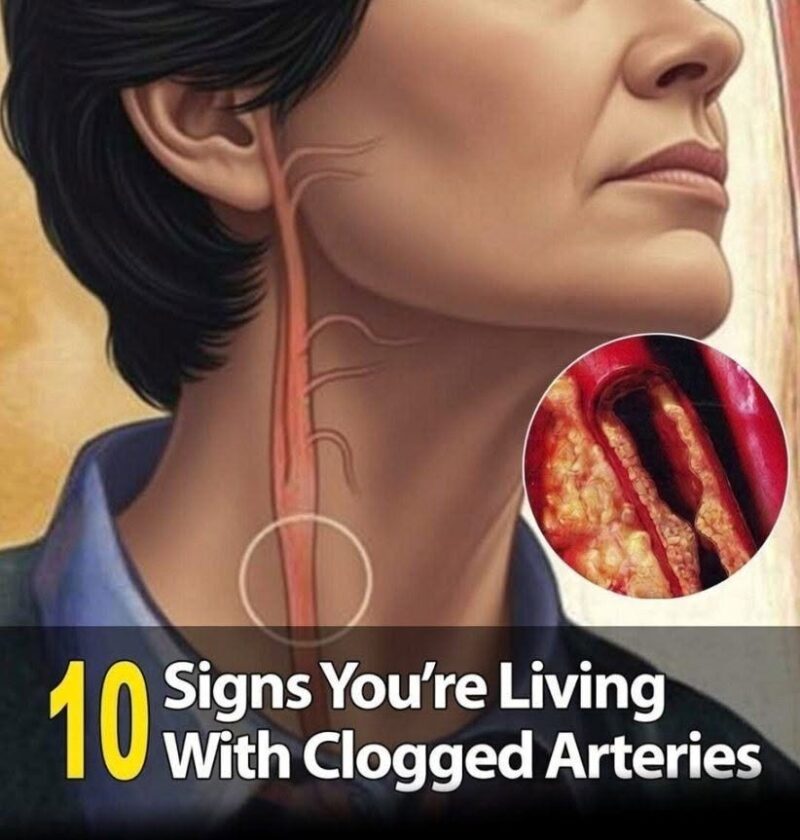
The headline “10 Indicators of Blocked Arteries You Shouldn’t Ignore” is partly accurate but can be misleading. Blocked arteries (atherosclerosis) often cause no symptoms until blood flow is significantly reduced or a blood vessel becomes blocked.
Possible warning signs depend on which arteries are affected:
- Chest pain or pressure (angina), especially during activity or stress.
- Shortness of breath, particularly with exertion.
- Pain, cramping, or heaviness in the legs when walking that improves with rest (claudication).
- Cold feet or legs, especially if one side is colder than the other.
- Slow-healing sores or ulcers on the feet or legs.
- Numbness or weakness in an arm or leg.
- Sudden trouble speaking, facial drooping, or vision changes, which can be signs of a stroke or transient ischaemic attack.
- Erectile dysfunction, which can sometimes be an early sign of narrowed blood vessels in men.
- Fatigue or reduced exercise tolerance, particularly if the heart isn’t getting enough blood.
- Heart attack symptoms, such as chest pain, pain spreading to the arm, jaw, back, or shoulder, nausea, sweating, or shortness of breath.
Important to know
Many people with blocked arteries have no warning signs until they experience a heart attack, stroke, or another serious complication. That’s why managing risk factors is so important.
Risk factors include:
- High LDL (“bad”) cholesterol.
- High blood pressure.
- Diabetes.
- Smoking.
- Obesity.
- Physical inactivity.
- A family history of early heart disease.
When to seek emergency care
Call your local emergency services immediately if you or someone else has:
- Chest pain lasting more than a few minutes or that keeps returning.
- Sudden weakness or numbness on one side of the body.
- Difficulty speaking or understanding speech.
- Sudden loss of vision.
- Severe shortness of breath or collapse.
These symptoms can indicate a heart attack or stroke, where prompt treatment can be lifesaving.
If you have risk factors but no symptoms, discussing cardiovascular risk assessment with a healthcare professional is a good way to identify steps—such as lifestyle changes or medication—that can reduce your risk.