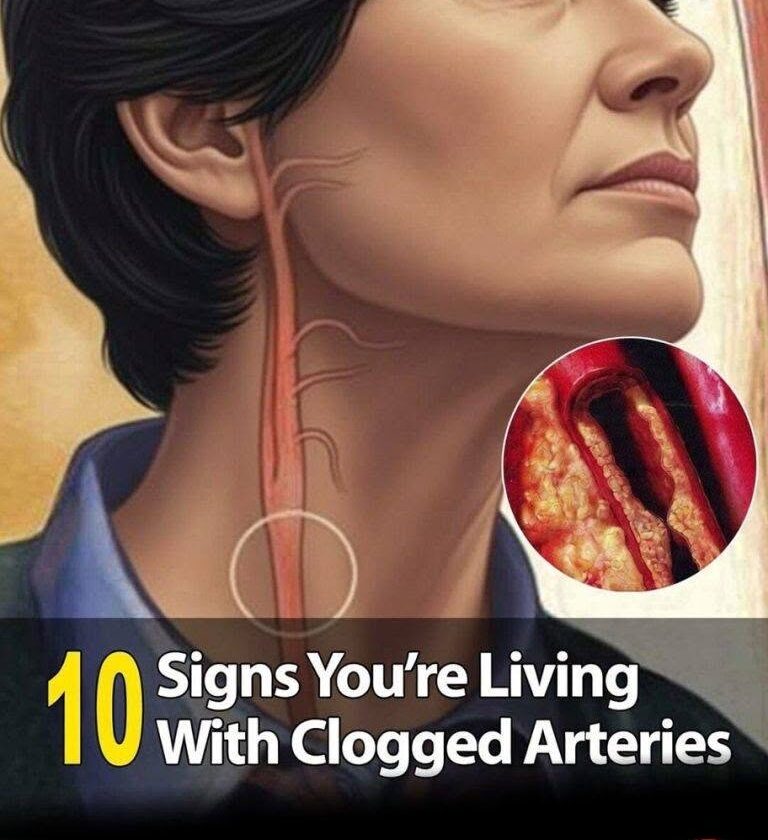
Blocked or narrowed arteries (often caused by atherosclerosis) may not cause symptoms until blood flow is significantly reduced. The warning signs also depend on which arteries are affected.
Here are 10 symptoms that can indicate reduced blood flow and should not be ignored:
- Chest pain or pressure (angina)
- Often feels like tightness, heaviness, or squeezing, especially during physical activity or emotional stress.
- Shortness of breath
- May occur during exertion or, in more severe cases, at rest.
- Pain in the legs when walking (claudication)
- Cramping or aching in the calves, thighs, or buttocks that improves with rest can suggest narrowed leg arteries.
- Pain spreading to the arm, jaw, neck, or back
- This can be a sign of reduced blood flow to the heart.
- Sudden weakness or numbness on one side of the body
- May indicate reduced blood flow to the brain and requires immediate medical attention.
- Difficulty speaking or sudden vision changes
- These can also be signs of a stroke or transient ischemic attack (TIA).
- Cold or pale feet or legs
- Poor circulation can make an affected limb feel cooler than the other.
- Slow-healing sores on the feet or legs
- Poor blood flow can delay wound healing.
- Fatigue with activity
- Reduced blood flow to the heart or muscles may cause unusual tiredness during exertion.
- Erectile dysfunction
- In some men, it can be an early sign of vascular disease because narrowed arteries affect blood flow.
Seek emergency care immediately if you have:
- Chest pain lasting more than a few minutes or occurring at rest.
- Sudden weakness, facial drooping, trouble speaking, or vision loss.
- Severe shortness of breath or fainting.
It’s important to know that many people with blocked arteries have no symptoms at all until they experience a heart attack or stroke. Managing risk factors—such as high blood pressure, diabetes, high cholesterol, smoking, and inactivity—is one of the best ways to reduce the risk. If you’re concerned about your circulation or heart health, a healthcare professional can evaluate your symptoms and risk factors.