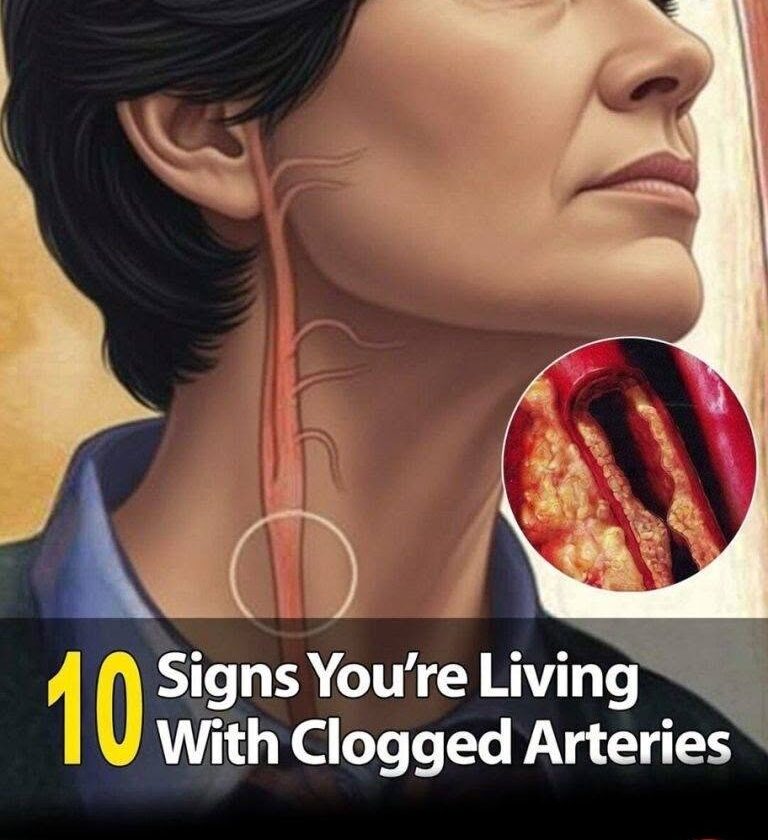
A headline like “10 Indicators of Blocked Arteries You Shouldn’t Ignore” can be useful if it encourages people to recognize important symptoms, but it’s worth noting that blocked arteries often cause no symptoms until blood flow is significantly reduced or an emergency occurs.
Possible warning signs depend on which arteries are affected:
- Chest pain or pressure (angina): Often triggered by physical activity or emotional stress and relieved by rest.
- Shortness of breath: May occur with activity or, in some cases, at rest.
- Pain that spreads: Discomfort may radiate to the arm, shoulder, neck, jaw, or back, especially if the arteries supplying the heart are affected.
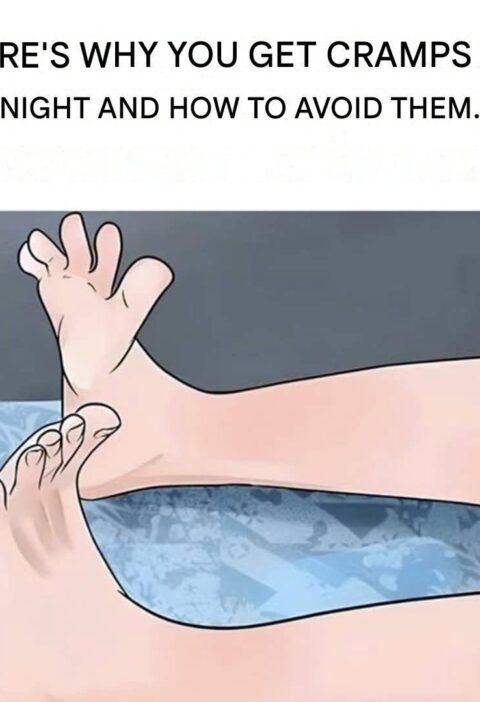
- Pain in the legs while walking (claudication): Cramping or aching that improves with rest may suggest narrowing of leg arteries.
- Coldness, numbness, or weakness in a limb: Can occur if blood flow to an arm or leg is reduced.
- Non-healing wounds on the feet or legs: Poor circulation can slow healing.
- Sudden weakness or numbness on one side of the body: May indicate reduced blood flow to the brain and requires immediate medical attention.
- Difficulty speaking or sudden vision changes: These can also be signs of a stroke.
- Dizziness or fainting: While these symptoms have many possible causes, they can sometimes be related to cardiovascular problems.
- Erectile dysfunction: In some men, it can be an early sign of narrowing of blood vessels elsewhere in the body, although it has many other possible causes.
When to seek emergency care
Call your local emergency services immediately if you experience:
- Chest pain lasting more than a few minutes or recurring, especially if accompanied by sweating, nausea, or shortness of breath.
- Sudden weakness, facial drooping, difficulty speaking, or sudden vision loss—possible signs of a stroke.
Risk factors
Factors that increase the risk of artery disease include:
- High blood pressure
- High cholesterol
- Type 2 Diabetes
- Smoking
- Obesity
- Physical inactivity
- Family history of cardiovascular disease
- Older age
Prevention
The risk of blocked arteries can often be reduced by:
- Not smoking.
- Eating a heart-healthy diet rich in fruits, vegetables, whole grains, and healthy fats.
- Exercising regularly.
- Maintaining a healthy weight.
- Managing blood pressure, cholesterol, and blood sugar.
- Taking prescribed medications as directed.
These symptoms are not specific to blocked arteries, and many can be caused by other conditions. If you have persistent symptoms or multiple cardiovascular risk factors, it’s important to discuss them with a healthcare professional for proper evaluation.