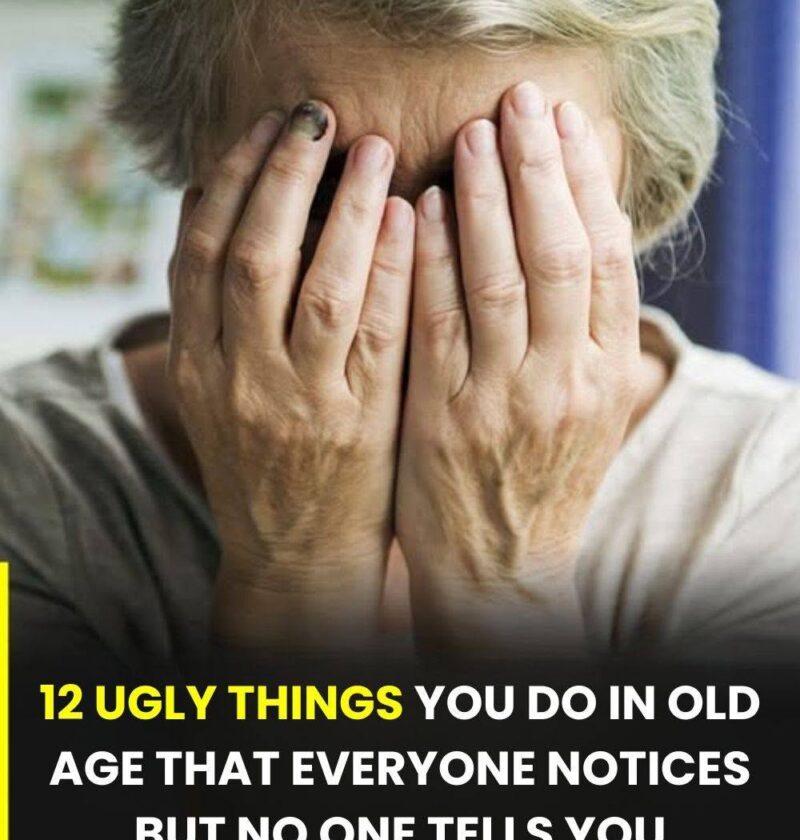
12 Habits in Older Age That People May Notice (and How to Handle Them)
Aging brings many normal changes, but some habits or behaviors can affect how others experience our company. The good news is that most can be improved with small adjustments, self-awareness, and support when needed.
1. Neglecting personal hygiene
Changes in mobility, energy, or senses of smell can sometimes make grooming harder.
Helpful habits:
- Keep a regular bathing and grooming routine
- Ask for help if physical limitations make tasks difficult
2. Wearing the same clothes repeatedly without noticing
Comfort becomes more important with age, but others may notice if clothing is consistently stained, worn out, or unsuitable for the situation.
Helpful habits:
- Choose comfortable but clean clothing
- Replace worn items when possible
3. Speaking much louder than necessary
Hearing changes are common with age, and some people may not realize their volume has increased.
Helpful habit:
- Consider a hearing check if others frequently mention your volume
4. Repeating the same stories many times
Occasional repetition is normal, especially when sharing favorite memories.
Helpful habits:
- Notice others’ reactions
- Ask questions and invite others into the conversation
5. Interrupting conversations
This can happen due to excitement, hearing difficulties, or changes in attention.
Helpful habits:
- Pause before responding
- Let others finish their thoughts
6. Refusing to adapt to new technology
Technology can be frustrating, but refusing all changes may make daily life harder.
Helpful habits:
- Learn at your own pace
- Ask family, friends, or community classes for guidance
7. Complaining constantly without noticing
Everyone has difficult days, but frequent negativity can affect relationships.
Helpful habits:
- Balance concerns with positive experiences
- Stay connected with activities and people you enjoy
8. Ignoring changes in health
Some people avoid checkups or dismiss symptoms as “just aging.”
Helpful habit:
- Address new changes early, including hearing, vision, mobility, or mood changes
9. Not listening during conversations
Hearing loss, distraction, or difficulty processing information can contribute.
Helpful habits:
- Face the person speaking
- Consider hearing support if needed
10. Becoming overly resistant to help
Independence is valuable, but refusing all assistance can create stress or safety risks.
Helpful habit:
- Accept support that helps you remain independent longer
11. Neglecting social connections
Isolation can affect mood, memory, and overall well-being.
Helpful habits:
- Maintain friendships
- Join community groups or activities
- Stay engaged with hobbies
12. Losing curiosity or openness
A positive attitude toward learning and new experiences can improve quality of life at any age.
Helpful habits:
- Try new activities
- Keep learning
- Stay involved in the world around you