4 Types of People Who May Need to Limit or Avoid Cabbage
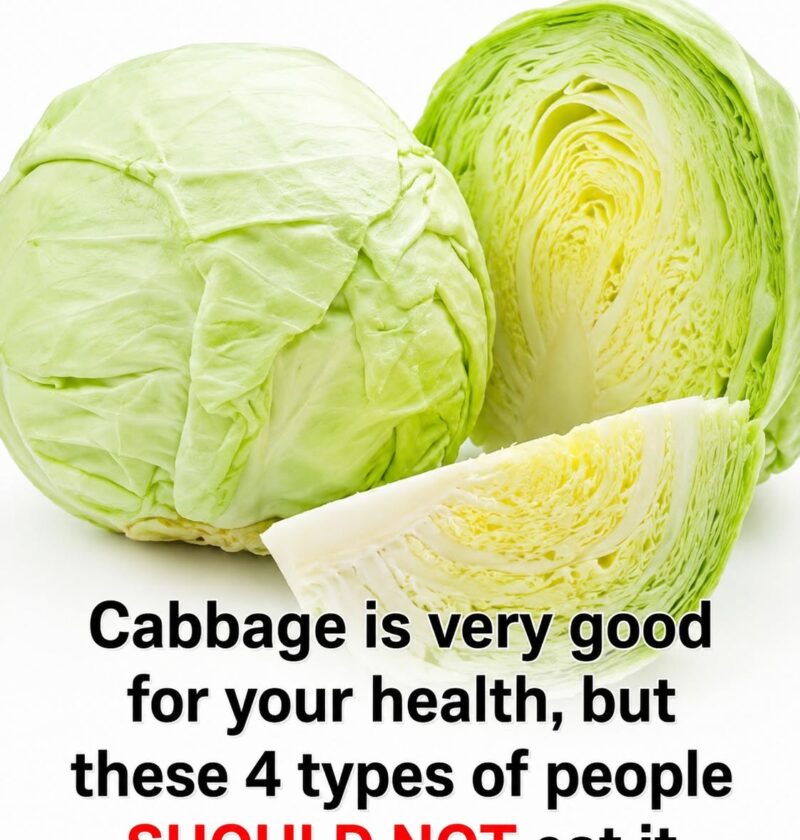
Cabbage is a nutritious vegetable rich in fiber, vitamin C, vitamin K, and antioxidants. For most people, it is a healthy part of the diet. However, some individuals may need to limit it or prepare it differently.
1. People Taking Warfarin (a Blood Thinner)
Cabbage is high in vitamin K, which helps with blood clotting.
If you take warfarin, large or sudden changes in your vitamin K intake can affect how the medication works. You do not necessarily need to avoid cabbage, but it’s important to keep your intake consistent and follow your healthcare provider’s advice.
2. People With Certain Digestive Conditions
Because cabbage is high in fiber and contains fermentable carbohydrates (FODMAPs), it may cause:
- Gas
- Bloating
- Abdominal discomfort
This can be more noticeable in people with conditions such as irritable bowel syndrome (IBS). Cooking cabbage may make it easier to digest for some people.
3. People With Certain Thyroid Conditions
Raw cabbage contains compounds called goitrogens, which can interfere with iodine use in the thyroid, especially if someone has iodine deficiency and consumes very large amounts.
For most people, eating moderate amounts of cabbage—especially when cooked—is not a concern.
4. People With Certain Kidney Conditions
Cabbage contains potassium, though not as much as some other vegetables. People with advanced kidney disease who have been advised to limit potassium should follow the dietary guidance provided by their healthcare team.
Most People Can Enjoy Cabbage
Cabbage can be part of a healthy diet because it provides:
- Fiber for digestive health
- Vitamin C
- Vitamin K
- Folate
- Antioxidants