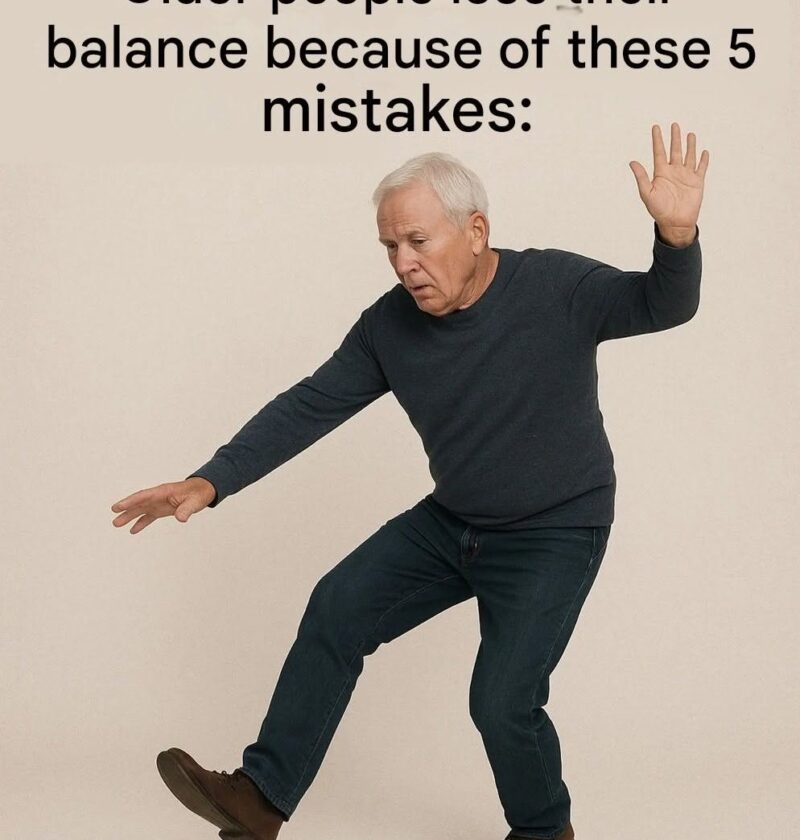
5 Common Mistakes That Can Contribute to Balance Problems in Older Adults
As people age, balance may become less steady due to changes in muscle strength, vision, inner ear function, and reaction time. However, some everyday habits can increase the risk of losing balance and falling.
1. Not Staying Physically Active
Avoiding activity can lead to weaker muscles and poorer balance over time.
What helps:
- Regular walking
- Strength training
- Balance exercises (such as standing on one foot with support if needed)
- Tai chi or guided exercise programs
2. Wearing Unsupportive Footwear
Shoes that are too loose, worn out, or have slippery soles can increase the risk of falls.
Choose shoes that:
- Fit well
- Have non-slip soles
- Provide good support
- Have a low, stable heel
3. Ignoring Vision or Hearing Changes
Poor vision can make it harder to judge steps and obstacles. Hearing and inner ear problems can also affect balance.
What helps:
- Regular eye examinations
- Wearing the correct glasses if prescribed
- Having hearing concerns evaluated
4. Not Reviewing Medications
Some medications—or combinations of medications—can cause:
- Dizziness
- Drowsiness
- Low blood pressure when standing
- Balance problems
Examples include some sleeping pills, sedatives, and certain blood pressure medications.
What helps:
- Ask your healthcare provider or pharmacist to review your medications, especially after starting a new one.
5. Leaving Fall Hazards Around the Home
Many falls happen because of environmental hazards rather than a medical problem.
Reduce risks by:
- Removing loose rugs
- Keeping walkways free of clutter
- Improving lighting
- Installing grab bars in bathrooms if needed
- Using handrails on stairs