5 Everyday Mistakes That Can Shorten Your Healthy Years After 60
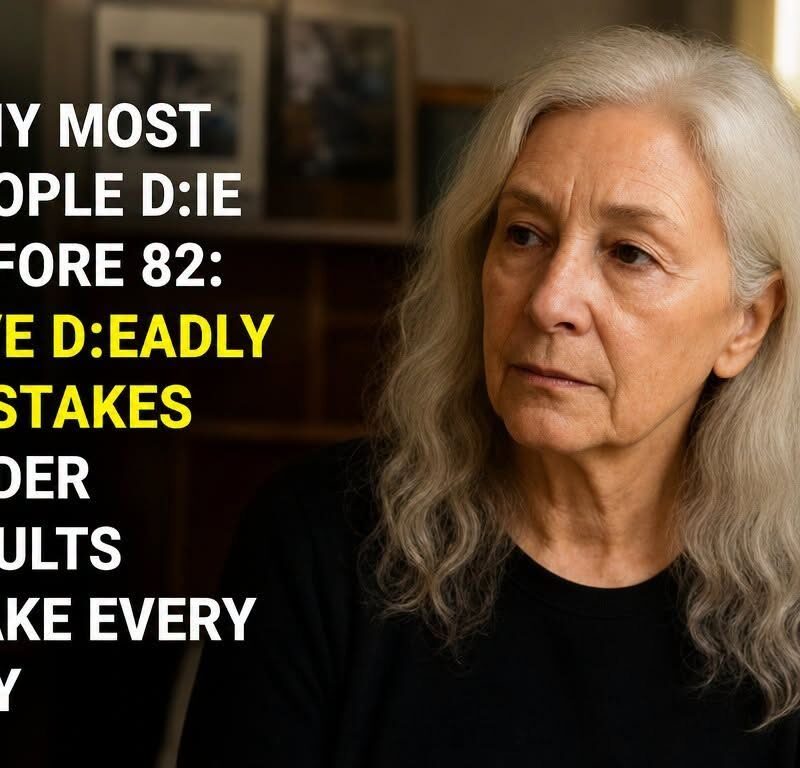
Turning 60 doesn’t mean you have to accept declining health. Many everyday habits can influence your risk of heart disease, stroke, falls, diabetes, and cognitive decline. Regular physical activity, for example, is associated with better physical function, lower chronic-disease risk, and longer independence in older adults.
C
CDC Stacks
+1
1. Sitting too much
Long periods of inactivity can gradually reduce strength, balance, and mobility.
Do instead: Get up regularly and include walking plus strength and balance exercises in your week.
2. Ignoring high blood pressure and other “silent” risks
High blood pressure, diabetes, high cholesterol, and smoking can damage blood vessels without causing obvious symptoms.
Do instead: Keep up with recommended health checks and take prescribed medications as directed.
3. Smoking—or thinking it’s too late to quit
It is never too late to quit smoking. Quitting improves health and reduces the risk of cardiovascular disease and other smoking-related illnesses, even later in life.
C
CDC
4. Neglecting sleep and social connection
Poor sleep and social isolation can affect overall well-being and are among factors associated with cognitive decline.
C
CDC Stacks
Do instead: Maintain a regular sleep schedule and stay connected with family, friends, community groups, or activities you enjoy.
5. Treating aging as a reason to stop moving
This can become a cycle: less activity → weaker muscles → poorer balance → greater difficulty staying active.
Do instead: Adapt activity to your abilities. Even people who are frail or have chronic conditions can benefit from appropriately chosen physical activity.
C
CDC
The takeaway
You don’t need a dramatic lifestyle overhaul after 60. Walk more, strengthen your muscles, don’t smoke, sleep well, stay socially connected, and keep important medical conditions under control. These simple habits can help protect independence and quality of life for years to come.
C
C
Sources