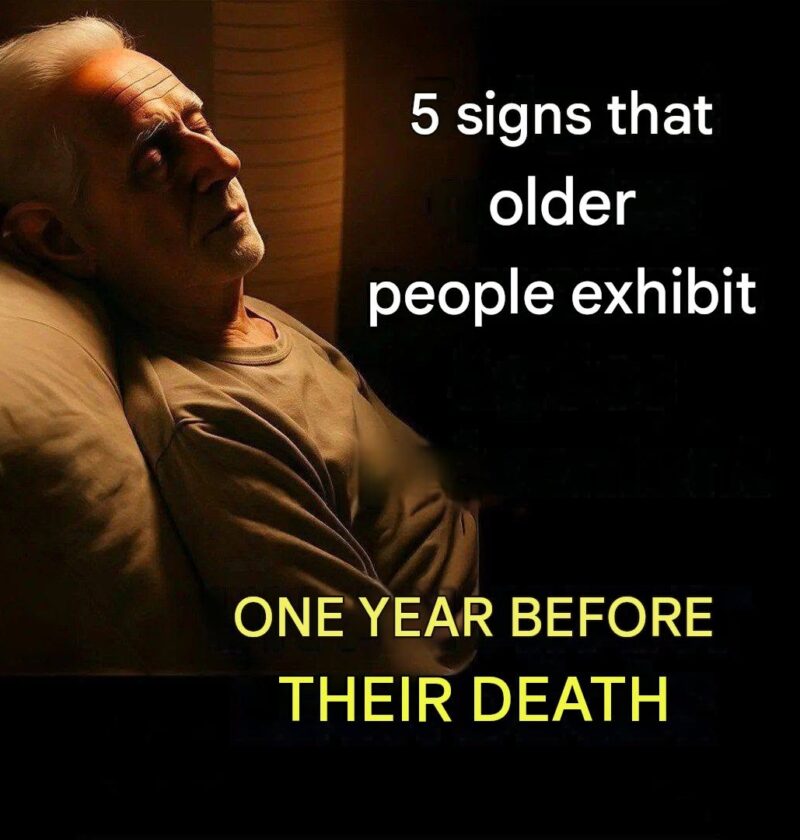
Yes—there are several changes that should prompt family members to pay closer attention. They don’t necessarily mean an older person needs full-time care, but they can signal that additional support or a medical evaluation is appropriate. (National Institute on Aging)
5 warning signs not to ignore
- Difficulty with everyday activities
Trouble bathing, dressing, preparing meals, using the toilet, getting out of a chair, or keeping the home safe can indicate a need for additional assistance. (National Institute on Aging) - Repeated falls or increasing unsteadiness
Falls, dizziness, difficulty walking, or fear of falling deserve attention. Falls are not simply an unavoidable part of aging, and medication, vision, balance, and home-safety issues can sometimes be addressed. (National Institute on Aging) - New confusion or significant memory changes
Occasional forgetfulness can occur with aging, but major changes in thinking, personality, judgment, or ability to manage familiar tasks should be discussed with a healthcare professional. (National Institute on Aging) - Problems managing medicines
Missing doses, taking the wrong medication or dose, repeatedly forgetting prescriptions, or experiencing dizziness or excessive sleepiness can be warning signs. A doctor or pharmacist can review the medication list rather than having medicines stopped independently. (National Institute on Aging) - Withdrawal, poor self-care, or unexplained weight change
Poor hygiene, significant weight loss or gain, loss of interest in usual activities, loneliness, or increasing social isolation may indicate that the person needs more support—or that an underlying health or mental-health problem needs attention. (National Institute on Aging)
What to do
Approach the person respectfully and ask what kind of help they would like rather than immediately taking over. Depending on the situation, support might mean regular family check-ins, help with shopping or meals, medication organization, transportation, or assistance with personal care. (National Institute on Aging)
A sudden change—especially new confusion, weakness, difficulty speaking, severe dizziness, chest pain, trouble breathing, or a serious fall—should be treated as a possible medical emergency rather than simply attributed to aging.