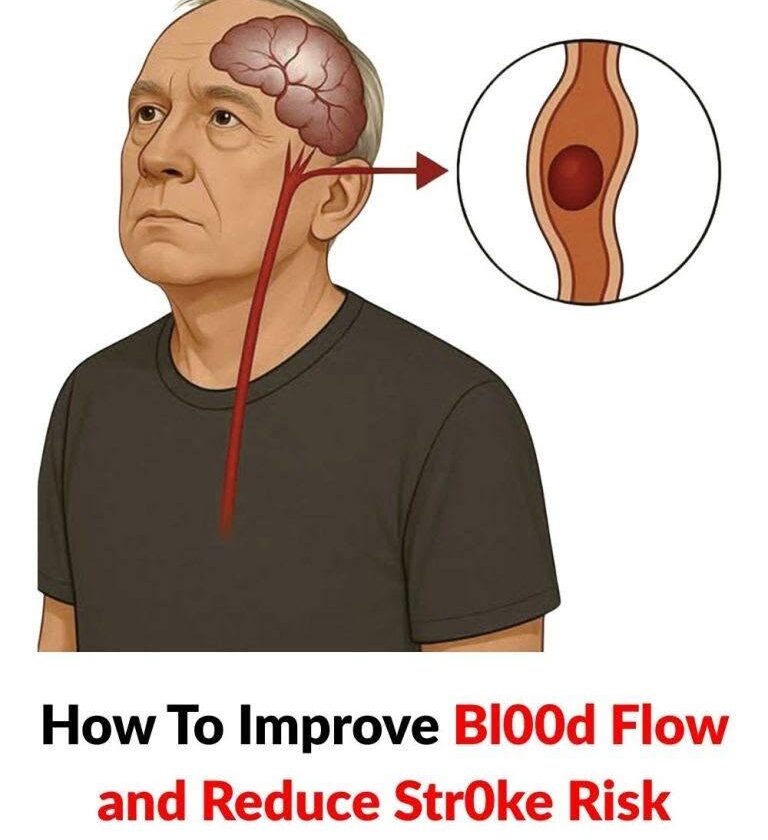
5 Simple Exercises to Support Blood Flow and Help Reduce Stroke Risk
Regular physical activity can improve cardiovascular fitness and help control blood pressure, cholesterol, blood sugar, and weight—all important factors in stroke prevention. The American Heart Association recommends at least 150 minutes of moderate aerobic activity each week, plus muscle-strengthening activity at least twice weekly.
W
www.heart.org
+1
Try these simple options:
Brisk walking 🚶
Walk at a pace that makes you breathe faster while still allowing you to talk. Start with 10 minutes if you’re inactive and gradually increase.
Marching in place
Hold a sturdy chair or countertop if you need balance. March gently for 30–60 seconds, rest, and repeat.
Chair sit-to-stands
From a sturdy chair, stand up and slowly sit back down. Start with 5–10 repetitions and build gradually.
Calf raises
Holding a stable surface, rise onto your toes and slowly lower your heels. Try 10–15 repetitions.
Light resistance exercises
Resistance bands or light weights can strengthen major muscle groups. Aim for strengthening exercises on at least two days per week.
W
www.heart.org
The bigger stroke-prevention picture
Exercise helps, but it isn’t a guarantee against stroke. Controlling high blood pressure is particularly important, along with managing cholesterol and diabetes, avoiding tobacco, maintaining a healthy weight, and taking prescribed medications appropriately.
P
professional.heart.org
If you’ve had a stroke, heart attack, significant heart disease, or major mobility problems, ask your healthcare professional what level of exercise is appropriate before starting a new routine.
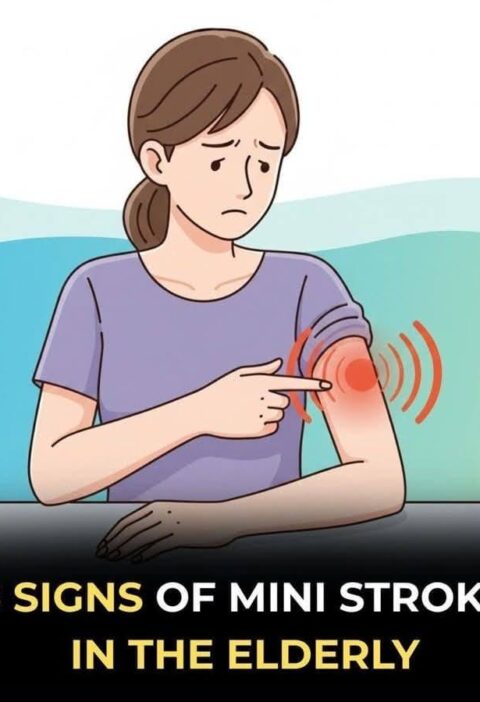
And remember: sudden facial drooping, arm weakness, speech difficulty, severe confusion, or sudden vision/balance problems can be signs of a stroke. Don’t exercise through these symptoms—seek emergency medical care immediately.
W
P
Sources