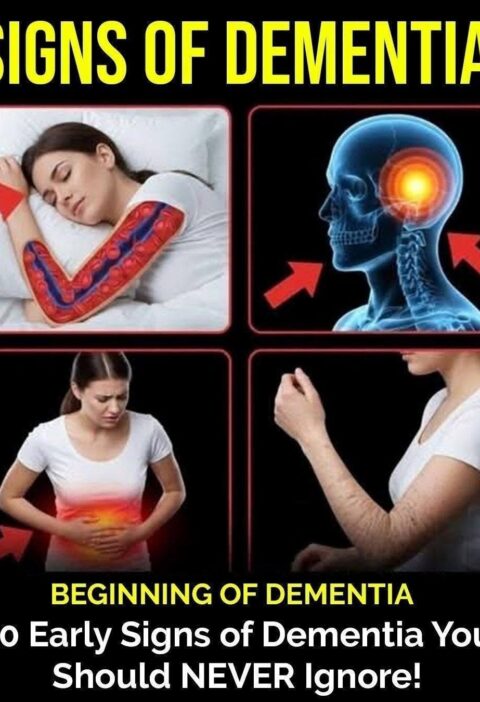
A “mini stroke” is usually called a Transient Ischemic Attack (TIA). A TIA causes temporary interruption of blood flow to part of the brain. Symptoms may last only minutes and then completely resolve, but a TIA is a warning sign that a full stroke may occur later.
Common symptoms include:
- Sudden weakness or numbness of the face, arm, or leg, especially on one side of the body.
- Sudden difficulty speaking or understanding speech.
- Sudden vision changes, such as loss of vision or blurred vision in one or both eyes.
- Sudden dizziness, loss of balance, or trouble walking.
- Sudden confusion or difficulty thinking clearly.
Other symptoms can occur as well, including double vision, difficulty swallowing, or sudden severe headache.
Why TIAs matter
Even if symptoms disappear within minutes, a TIA is a medical emergency. The risk of a stroke is highest in the hours and days afterward. Prompt evaluation can identify treatable causes and reduce future risk.
When to seek help
Use the FAST warning signs:
- Face drooping
- Arm weakness
- Speech difficulty
- Time to call emergency services
If someone develops stroke-like symptoms, seek emergency medical care immediately, even if the symptoms go away.
Risk factors
Common risk factors include:
- High blood pressure
- Diabetes
- High cholesterol
- Smoking
- Atrial fibrillation
- Heart disease
- Older age
The key takeaway is that there is no harmless “mini” version of a stroke. A TIA is often a warning that requires urgent medical assessment.