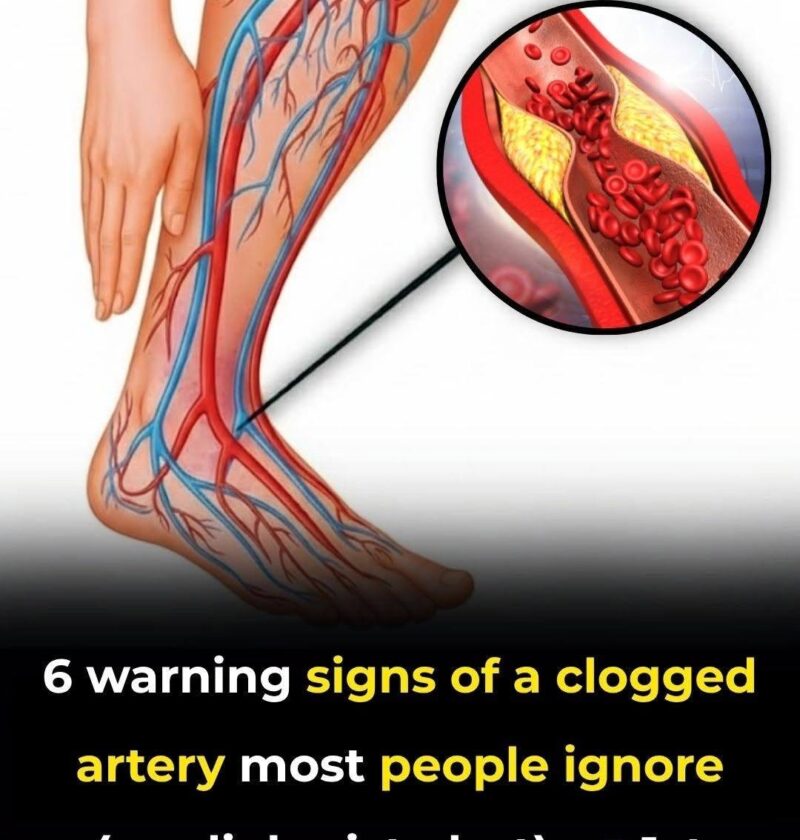
A headline like “6 warning signs of a clogged artery most people ignore” is often used in health content, but the important point is that blocked arteries (atherosclerosis) can be silent for years. When symptoms do appear, they depend on which arteries are affected.
Possible warning signs that should not be ignored include:
- Chest pressure, tightness, or discomfort
- Often described as squeezing, heaviness, burning, or pressure.
- It may occur during activity and improve with rest (though symptoms vary).
- Shortness of breath
- Especially if it happens with normal activities that previously felt easy.
- Pain or discomfort spreading to other areas
- Such as the arm, shoulder, neck, jaw, back, or upper abdomen—especially with chest symptoms.
- Unusual fatigue or reduced exercise ability
- A noticeable drop in stamina can sometimes be a sign of reduced blood flow to the heart.
- Leg pain while walking that improves with rest
- This can be a sign of peripheral artery disease, where arteries supplying the legs are narrowed.
- Dizziness, fainting, or sudden neurological symptoms
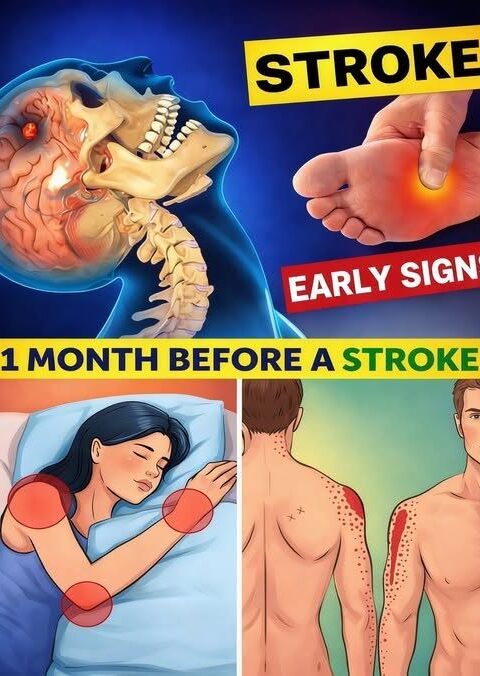
- Trouble speaking, facial drooping, or weakness on one side can indicate a possible stroke and requires urgent medical attention.
Risk factors that increase the chance of artery disease include high blood pressure, high cholesterol, diabetes, smoking, obesity, and a family history of early heart disease.
Seek urgent medical help for new chest pain/pressure, severe shortness of breath, fainting, or stroke-like symptoms. Regular checkups, blood pressure checks, cholesterol testing, and diabetes screening are among the ways to detect risk before serious problems occur.