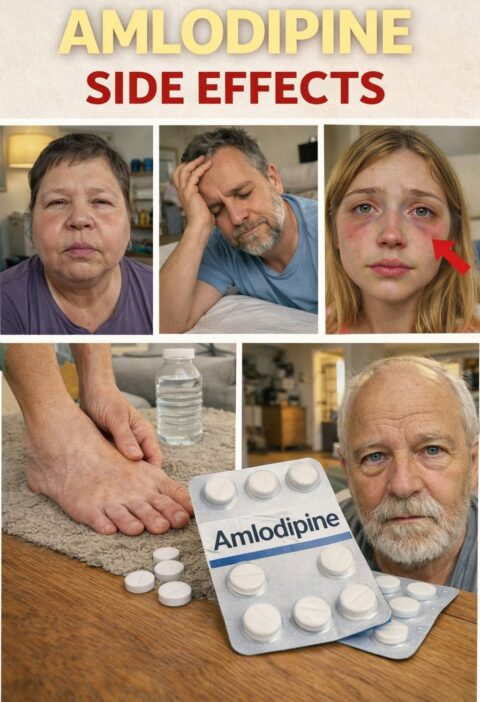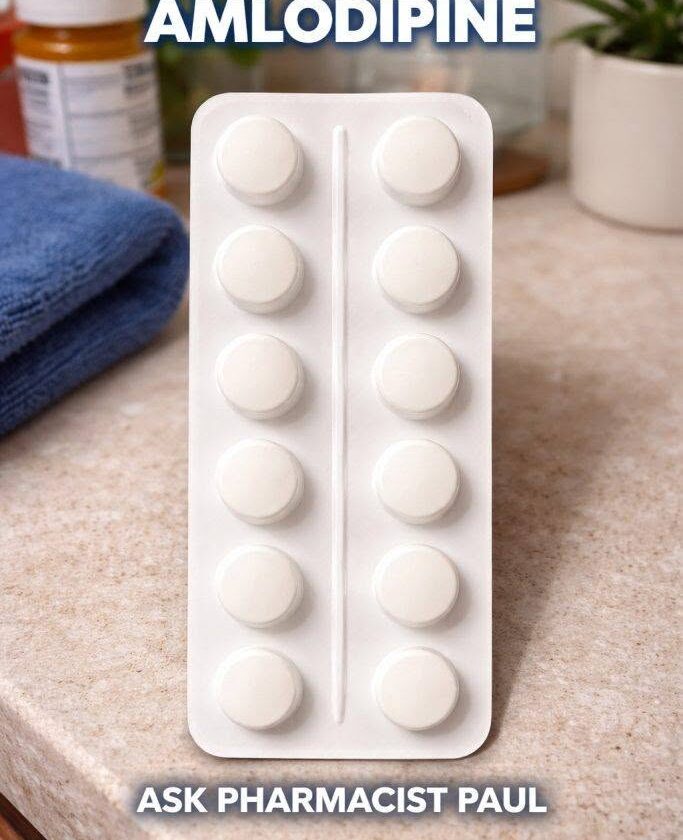
Articles like “8 habits you must stop if you take amlodipine” are usually clickbait, but there are real lifestyle habits that can interfere with how well amlodipine works or increase side effects.
Amlodipine is a calcium channel blocker used for high blood pressure and chest pain. The goal is stable blood pressure control and good heart protection.
Here are 8 habits worth avoiding or limiting—and why they matter:
1) High-salt diet (very important)
Too much salt raises blood pressure, which can cancel out the effect of amlodipine.
Examples: packaged snacks, pickles, instant noodles.
2) Excess alcohol
Alcohol can:
- Lower blood pressure too much (dizziness, fainting)
- Stress the heart over time
It also makes BP harder to control consistently.
3) Grapefruit or grapefruit juice (in large amounts)
Grapefruit can interfere with how amlodipine is broken down in the body, possibly increasing drug levels, leading to:
- swelling
- flushing
- low blood pressure
(Small occasional amounts are usually not dramatic, but regular intake is not recommended.)
4) Skipping doses or inconsistent timing
Amlodipine works best when blood levels stay steady. Skipping doses can cause:
- BP spikes
- chest discomfort in some patients
5) Self-adjusting your dose
Some people increase or stop medication based on how they feel. This is risky because:
- high BP often has no symptoms
- sudden changes can destabilize control
6) Smoking
Smoking narrows blood vessels and increases cardiovascular risk, working against what amlodipine is trying to treat.
7) Overuse of NSAID painkillers
Frequent use of drugs like ibuprofen or diclofenac can:
- raise blood pressure
- reduce effectiveness of BP medications
- stress kidneys
8) Severe dehydration or extreme sweating without fluids
Dehydration can lead to:
- low blood pressure
- dizziness
- kidney strain (especially if combined with BP meds)
This matters in hot climates and heavy physical work.
Bottom line
Amlodipine is generally a safe and long-acting blood pressure medicine, but its effectiveness depends heavily on lifestyle—especially salt intake, consistency, and avoiding vascular stressors like smoking and excess alcohol.
If you want, I can also tell you:
- the most common side effects (and which are harmless vs serious), or
- what foods and habits actually help amlodipine work better.