8 Habits to Avoid or Be Careful With If You Take Amlodipine
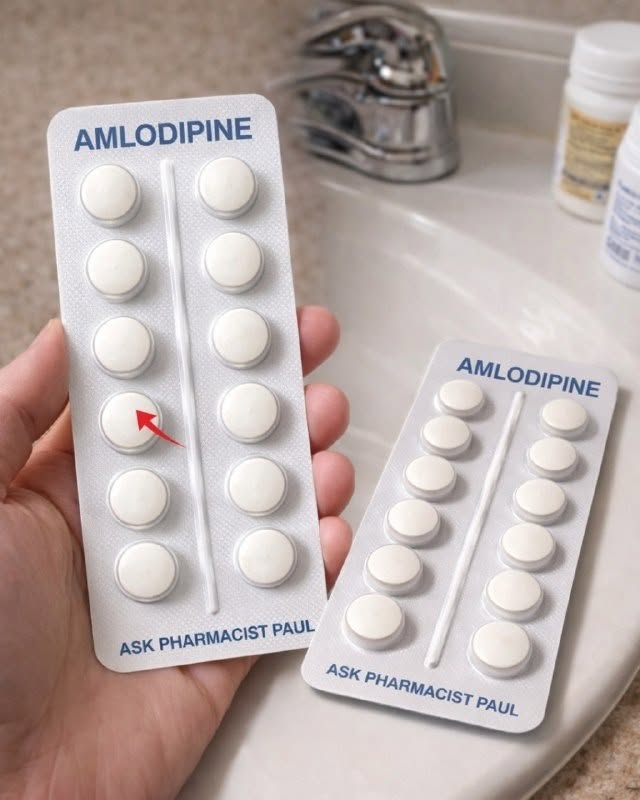
Amlodipine is a medication used to treat high blood pressure and angina (chest pain). It works best when taken consistently and combined with healthy lifestyle habits. Rather than “never” doing certain things, these are habits that may interfere with treatment or increase the chance of side effects.
1. Stopping the Medication Without Medical Advice
Stopping amlodipine suddenly may allow your blood pressure to rise again and can worsen angina in some people.
2. Skipping Doses
Taking amlodipine inconsistently can make it harder to keep your blood pressure under control. Try to take it at the same time each day.
3. Drinking Large Amounts of Alcohol
Alcohol can enhance the blood pressure-lowering effect of amlodipine, increasing the risk of dizziness or fainting, especially when standing up.
4. Smoking
Smoking damages blood vessels and increases the risk of heart attack and stroke, working against the benefits of blood pressure treatment.
5. Eating a High-Salt Diet
Too much sodium can raise blood pressure, making it more difficult for amlodipine to be effective.
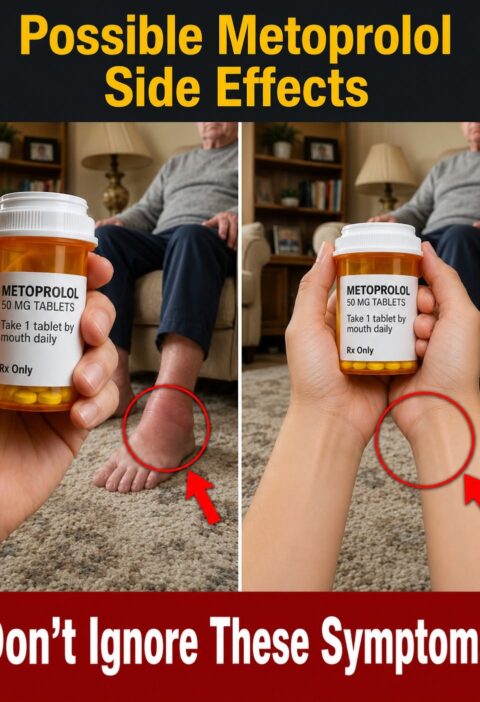
6. Ignoring Swollen Ankles or Feet
Ankle and foot swelling is a common side effect of amlodipine. Don’t ignore persistent or worsening swelling—let your healthcare professional know, as your treatment may need adjustment.
7. Taking New Medicines or Supplements Without Checking
Some prescription medicines, over-the-counter drugs, and herbal supplements can interact with amlodipine. Inform your healthcare professional or pharmacist about everything you take.
8. Avoiding Blood Pressure Monitoring
Checking your blood pressure regularly, if recommended, helps you and your healthcare professional know whether your treatment is working.
Also Be Aware of Grapefruit
Unlike some other calcium channel blockers, grapefruit does not have a clinically significant interaction with amlodipine for most people. However, because interactions can vary and some people take multiple medications, follow the advice provided by your prescriber or pharmacist.
When to Seek Medical Attention
Seek urgent medical care if you develop:
- Chest pain that is severe or getting worse
- Difficulty breathing
- Fainting
- Swelling of the face, lips, tongue, or throat (possible allergic reaction)
Contact your healthcare professional if you have:
- Persistent ankle or leg swelling
- Ongoing dizziness
- Very low blood pressure symptoms
- Side effects that interfere with daily life
Taking amlodipine as prescribed, staying physically active, eating a balanced diet, limiting sodium, and attending regular follow-up appointments can help you get the most benefit from your treatment.