9 Warning Signs Your Kidneys May Not Be Working Properly—and Tests That Can Help Detect Problems Early
Kidney disease often develops gradually, and many people have no symptoms in the early stages. If symptoms do appear, they can have many possible causes, so they don’t necessarily mean your kidneys are failing. Early evaluation can help identify problems and, in some cases, slow the progression of kidney disease.
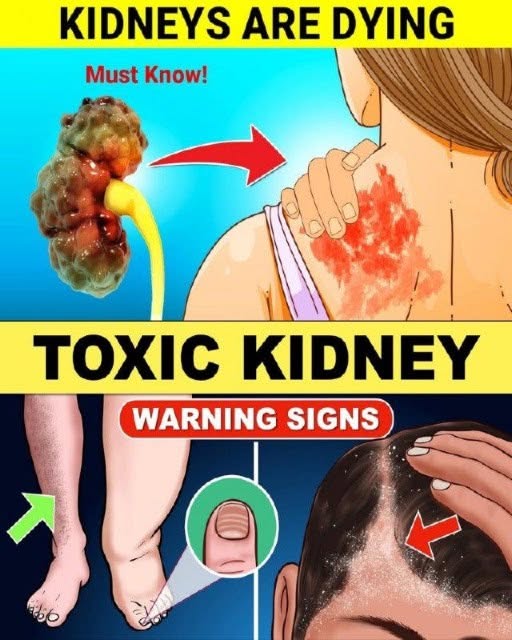
9 Possible Warning Signs
- Changes in urination
- Urinating more or less than usual
- Foamy urine
- Blood in the urine
- Swelling (edema)
- Puffiness around the eyes
- Swollen feet, ankles, or hands due to fluid retention
- Persistent fatigue
- Kidney disease can contribute to anemia and waste buildup, leading to tiredness.
- Loss of appetite, nausea, or vomiting
- These symptoms may occur in more advanced kidney disease but have many other causes as well.
- Persistent itching
- Advanced kidney disease can cause mineral imbalances that contribute to itchy skin.
- Muscle cramps
- Electrolyte imbalances may increase the risk of cramps.
- Shortness of breath
- This can result from fluid buildup, anemia, or many other medical conditions.
- Difficulty concentrating or confusion
- Severe kidney dysfunction may affect thinking, though these symptoms are not specific to kidney disease.
- High blood pressure that’s difficult to control
- High blood pressure can both cause and result from kidney disease.
Tests That Help Detect Kidney Disease Early
If kidney disease is suspected, healthcare professionals commonly use:
- Blood tests
- Serum creatinine
- Estimated glomerular filtration rate (eGFR) to estimate kidney function
- Urine tests
- Urine albumin-to-creatinine ratio (uACR) to detect protein leakage
- Routine urinalysis
- Blood pressure measurement
- High blood pressure is both a risk factor and a complication of kidney disease.
- Kidney ultrasound
- May be used to look for structural problems, blockages, or other abnormalities when indicated.
Can Dialysis Be Prevented?
Dialysis is needed only when kidney function becomes severely impaired. Not everyone with kidney disease will require dialysis. Early diagnosis and treatment may help slow progression by:
- Controlling blood pressure
- Managing diabetes
- Avoiding smoking
- Maintaining a healthy diet and weight
- Using medications as prescribed
- Avoiding unnecessary use of certain pain relievers (NSAIDs), unless advised by a healthcare professional
When to Seek Urgent Medical Care
Seek prompt medical attention if you have:
- Blood in your urine
- Severe swelling or shortness of breath
- Inability to urinate
- Severe flank pain with fever
- Confusion or decreased alertness
If you have diabetes, high blood pressure, a family history of kidney disease, or are over age 60, regular kidney screening with blood and urine tests can help detect problems before symptoms develop.