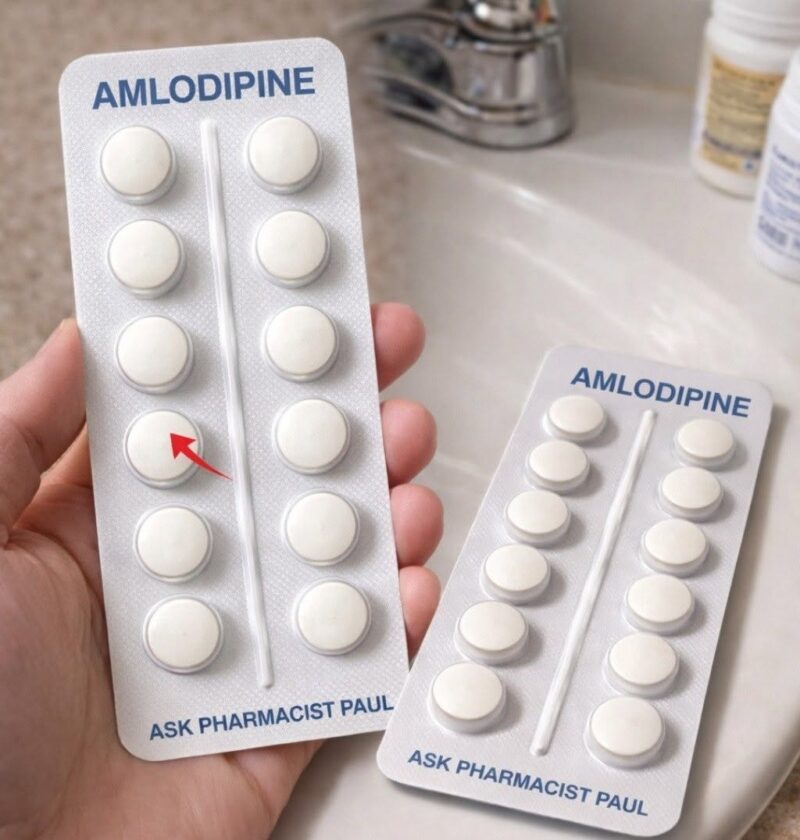
8 Habits to Stop (or Change) If You’re Taking Amlodipine — and Why
Amlodipine is a calcium channel blocker commonly prescribed to treat high blood pressure (hypertension) and some types of chest pain (angina). It helps relax blood vessels so the heart does not have to work as hard.
Most people tolerate amlodipine well, but certain habits can make side effects more likely or make blood pressure harder to control.
1. Stop skipping doses
Why it matters:
Amlodipine works best when taken consistently. Missing doses can allow blood pressure to rise again and reduce protection against complications such as heart attack or stroke.
Better habit:
- Take it at the same time every day
- Use reminders or a pill organizer if needed
2. Stop checking your blood pressure only when you feel symptoms
Why it matters:
High blood pressure often has no noticeable symptoms. Feeling fine does not always mean your blood pressure is controlled.
Better habit:
- Monitor blood pressure as recommended by your healthcare professional
- Keep a record of readings if advised
3. Avoid suddenly stopping amlodipine without medical advice
Why it matters:
Stopping a blood pressure medicine on your own can cause blood pressure to rise again.
Better habit:
Discuss any concerns or side effects with your prescriber before changing your dose.
4. Limit excessive alcohol intake
Why it matters:
Alcohol can lower blood pressure and may increase effects such as:
- Dizziness
- Lightheadedness
- Feeling faint
Better habit:
Ask your healthcare professional what amount is safe for your situation.
5. Don’t ignore swelling in your ankles or feet
Why it matters:
A common side effect of amlodipine is fluid-related ankle swelling (edema). It is often not dangerous, but it should be discussed if it is new, severe, or bothersome.
Better habit:
Report significant swelling, sudden weight gain, or shortness of breath.
6. Avoid too much salt in your diet
Why it matters:
Amlodipine helps lower blood pressure, but a high-sodium diet can work against blood pressure control.
Better habit:
- Reduce processed foods
- Choose fresh foods more often
- Check food labels for sodium content
7. Don’t ignore dizziness or falls
Why it matters:
Some people feel dizzy, especially when starting amlodipine or after a dose change.
Better habit:
- Rise slowly from sitting or lying positions
- Tell your healthcare professional if dizziness persists
8. Don’t rely on medication alone
Why it matters:
Amlodipine works best as part of an overall heart-health plan.
Helpful habits include:
- Regular physical activity appropriate for your health
- Maintaining a healthy weight
- Eating a balanced diet
- Not smoking
- Managing stress and sleep