If you’re taking Amlodipine, the goal is to keep your blood pressure stable and avoid habits that can interfere with the medication or increase side effects. Many “viral lists” exaggerate things, but there are real lifestyle habits that can make amlodipine less effective or increase risks.
Here are 8 habits worth avoiding or limiting—and why:
1. Skipping doses or taking it irregularly
Amlodipine works best when taken consistently. Irregular use can cause:
- Blood pressure fluctuations
- Reduced protection for the heart and arteries
2. Drinking excessive alcohol
Alcohol can:
- Lower blood pressure too much (dizziness, fainting)
- Increase side effects like flushing or headache
- Strain the cardiovascular system over time
3. Eating very high-salt foods regularly
Too much sodium can:
- Counteract blood pressure control
- Reduce the effectiveness of amlodipine
Examples: processed foods, fast food, salty snacks.
4. Grapefruit (in large amounts)
Grapefruit can interfere with how some calcium channel blockers are metabolized. With amlodipine, the interaction is milder than with some other drugs, but large or frequent intake may still increase side effects like:
- Dizziness
- Low blood pressure
5. Sitting for long periods
Inactivity can worsen:
- Circulation problems
- Blood pressure control
- Overall heart health
Even short walks help.
6. Stopping exercise completely
Regular moderate exercise supports:
- Better blood pressure control
- Improved heart function
- Reduced medication burden over time (under medical supervision)
7. Smoking
Smoking damages blood vessels and:
- Raises blood pressure
- Counters the benefits of amlodipine
- Increases heart disease risk significantly
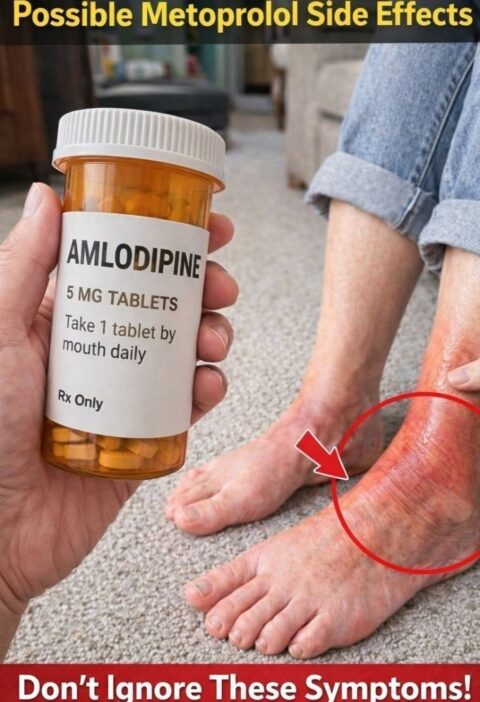
8. Ignoring swelling in ankles or feet
Amlodipine can sometimes cause:
- Peripheral edema (ankle swelling)
If you ignore it or assume it’s harmless, it may worsen. A doctor may adjust dose or combine medications if needed.
Important reality check
Amlodipine is generally well tolerated, and most people do not need extreme restrictions. The biggest “habits to avoid” are really:
- Poor diet (especially high salt)
- Smoking
- Alcohol excess
- Sedentary lifestyle
- Irregular medication use
When to talk to a doctor
Seek medical advice if you notice:
- Severe swelling
- Persistent dizziness or fainting
- Chest pain
- Very low blood pressure symptoms