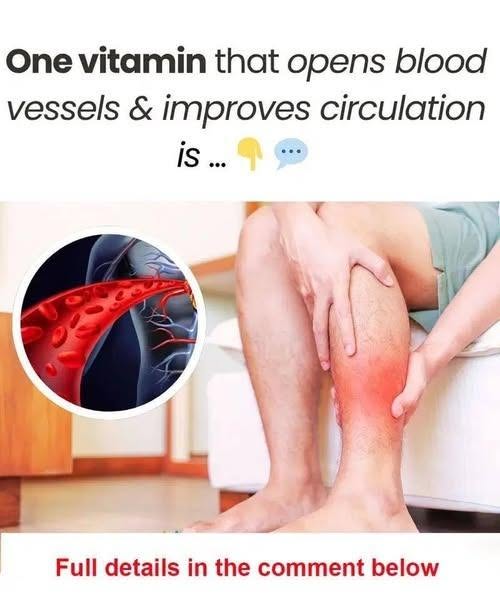
There isn’t a single vitamin that reliably “opens” blood vessels like a medication, but some vitamins and nutrients support healthy blood vessel function and circulation:
- Vitamin B3 (niacin): Can cause vasodilation (widening of blood vessels) and improve blood flow temporarily, often with a flushing sensation. However, high doses should only be used under medical guidance because they can affect the liver and blood sugar.
- Vitamin C: Supports blood vessel lining (endothelial function) and helps maintain healthy arteries.
- Vitamin D: Low levels are associated with poorer cardiovascular health, though supplements don’t directly act as a blood vessel opener.
- Vitamin E: Has antioxidant effects, but high-dose supplements are not generally recommended for circulation improvement and may increase bleeding risk in some people.
For circulation, lifestyle measures often have a stronger effect: regular walking/exercise, not smoking, controlling blood pressure and cholesterol, staying hydrated, and eating foods rich in nitrates (such as leafy greens and beets).
If you mean cold hands/feet, erectile problems, leg pain while walking, or a diagnosed circulation issue, the best approach depends on the cause.