🧠 8 Warning Signs of Stroke You Should Never Ignore — Plus 9 Ways to Lower Your Risk
A stroke can happen suddenly, but some people experience a transient ischemic attack (TIA) beforehand. A TIA can cause the same symptoms as a stroke, but the symptoms may disappear quickly. That does not make it harmless—it is a medical emergency and a warning that a major stroke may follow.
🚨 8 Warning Signs
1. Sudden numbness or weakness
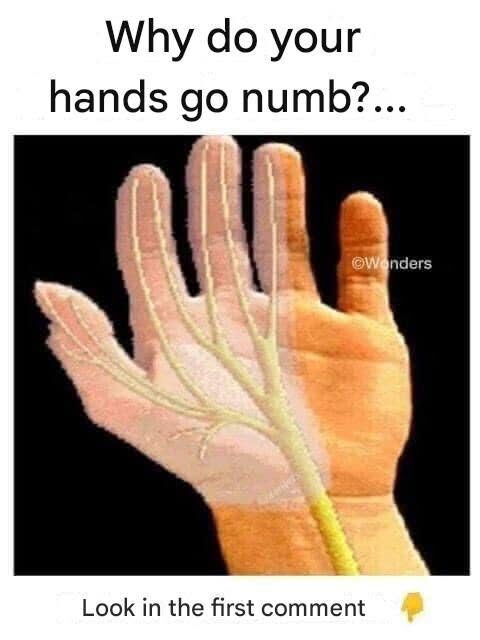
Especially weakness or numbness affecting the face, arm, or leg on one side of the body.
2. Sudden difficulty speaking
Speech may suddenly become slurred, confused, or difficult to produce.
3. Trouble understanding others
Suddenly having difficulty understanding what someone is saying can be a stroke warning sign.
4. Sudden vision problems
Blurred, lost, or altered vision in one or both eyes can occur.
5. Sudden dizziness or loss of balance
Unexpected difficulty walking, dizziness, or loss of coordination can be a warning sign.
6. Sudden severe headache
A sudden, severe headache with no known cause requires urgent medical attention.
7. Sudden facial drooping
One side of the face may droop or feel numb. Ask the person to smile and check whether the smile is uneven.
8. Symptoms that disappear after a few minutes
Don’t assume everything is fine just because the symptoms went away. Temporary stroke-like symptoms can indicate a TIA and need urgent medical assessment.
❤️ 9 Ways to Help Prevent Stroke
1. Control your blood pressure
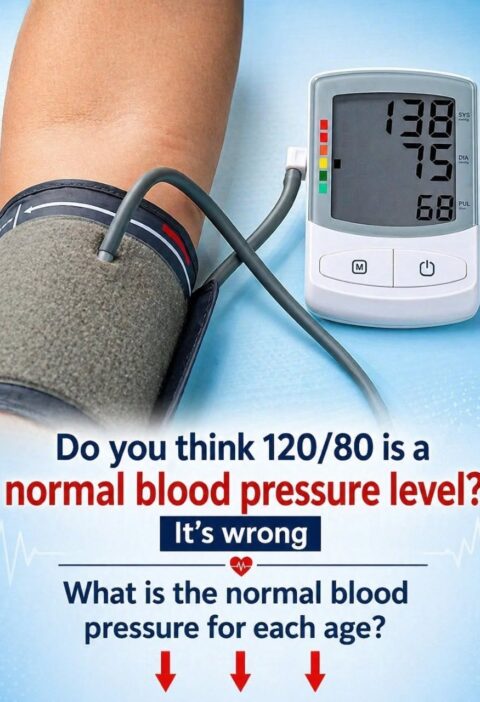
High blood pressure is one of the most important modifiable stroke risk factors. Have it checked regularly and follow your treatment plan.
2. Don’t smoke 🚭
Smoking increases the risk of stroke and damages blood vessels. Quitting can substantially improve cardiovascular health.
3. Stay physically active
Regular physical activity can help manage blood pressure, weight, blood sugar, and cholesterol.
4. Eat a heart-healthy diet
Emphasize vegetables, fruits, whole grains, legumes, nuts, and other minimally processed foods while limiting excess sodium and unhealthy fats.
5. Maintain a healthy weight
If you are overweight, gradual weight loss can improve several stroke risk factors.
6. Manage diabetes
High blood sugar can damage blood vessels and increase stroke risk. Work with your healthcare team to keep glucose under control.
7. Check your cholesterol
High cholesterol can contribute to plaque buildup in arteries. Regular testing can help identify whether treatment or lifestyle changes are needed.
8. Limit alcohol
Excessive alcohol consumption can raise blood pressure and increase stroke risk. If you drink, keep consumption within recommended limits.
9. Take prescribed medicines correctly
If you have high blood pressure, atrial fibrillation, diabetes, high cholesterol, or another condition that increases stroke risk, take your prescribed medications as directed and don’t stop them without medical advice.