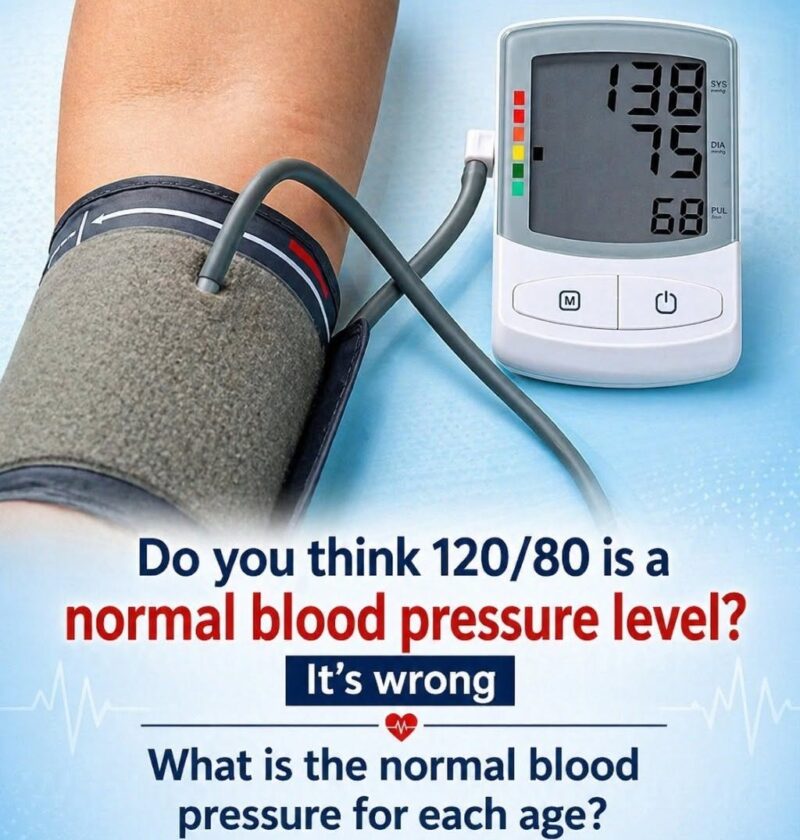
There is no single “normal” blood pressure for each age, because healthy blood pressure depends on overall health, medications, activity level, and medical conditions. In general, around 120/80 mmHg or lower is considered a healthy adult blood pressure.
Approximate healthy blood pressure ranges by age
| Age group | Typical blood pressure range |
|---|---|
| Children | Varies by age, height, and sex (usually lower than adults) |
| Teenagers (13–18) | About 90–120 / 60–80 mmHg |
| Adults (18–39) | About 110–120 / 70–80 mmHg |
| Adults (40–59) | About 120–130 / 70–80 mmHg |
| Adults (60–79) | Often around 120–140 / 70–90 mmHg (individual targets vary) |
| Adults 80+ | Targets are personalized; many aim for a safe range that avoids both high pressure and dizziness/falls |
Adult blood pressure categories
- Normal: Less than 120/80
- Elevated: 120–129 and less than 80
- High blood pressure (Stage 1): 130–139 or 80–89
- High blood pressure (Stage 2): 140+ or 90+
- Very high: 180+ and/or 120+ (especially concerning if symptoms occur)
Tips for an accurate reading
- Sit quietly for about 5 minutes before measuring.
- Keep feet flat on the floor and your arm supported.
- Avoid measuring right after exercise, caffeine, or stress.
- Use the correct cuff size.
A single high reading does not always mean you have hypertension. If you share the person’s age and their blood pressure numbers (for example, 145/85), I can help interpret what it means.