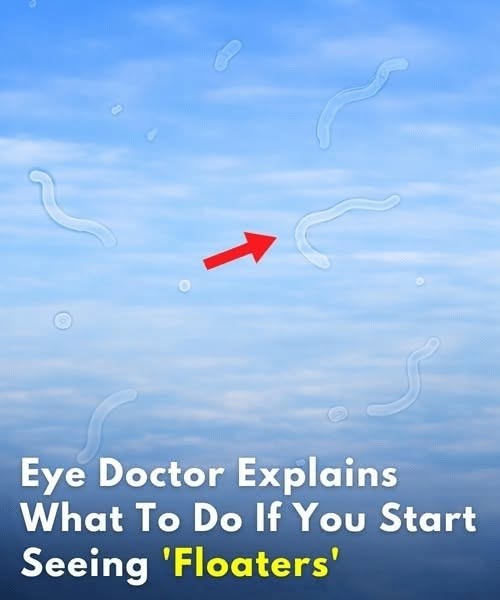
Eye floaters are small spots, threads, cobweb-like shapes, or shadows that seem to drift across your vision. They are very common, especially as people get older, and often happen because the gel-like substance inside the eye (vitreous) changes with age.
What to do if you notice eye floaters
1. Don’t panic, but pay attention
Occasional floaters that have been stable for a long time are often harmless. Your brain may also learn to ignore them over time.
2. Schedule an eye exam if they are new
A sudden increase in floaters should be checked by an eye-care professional, especially if you have never experienced them before. An eye exam can look for problems such as a retinal tear or retinal detachment.
3. Seek urgent eye care if you notice warning signs
Get medical attention quickly if floaters appear with:
- ⚠️ Flashes of light (like lightning or camera flashes)
- ⚠️ A sudden “shower” of many new floaters
- ⚠️ A dark curtain, veil, or shadow coming over part of your vision
- ⚠️ Sudden loss or worsening of vision
- ⚠️ Eye injury followed by new floaters
These can be signs of a retinal problem that needs prompt treatment.
Common causes of floaters
- Normal aging changes in the vitreous
- Separation of the vitreous from the retina (posterior vitreous detachment)
- Nearsightedness
- Eye injury
- Inflammation inside the eye
- Rarely, bleeding or retinal problems
Can you get rid of floaters?
- Many become less noticeable over time.
- There are no proven eye exercises, foods, or supplements that reliably remove typical floaters.
- Severe cases can sometimes be treated by an eye specialist with procedures, but treatment is usually reserved for significant vision problems because procedures carry risks.