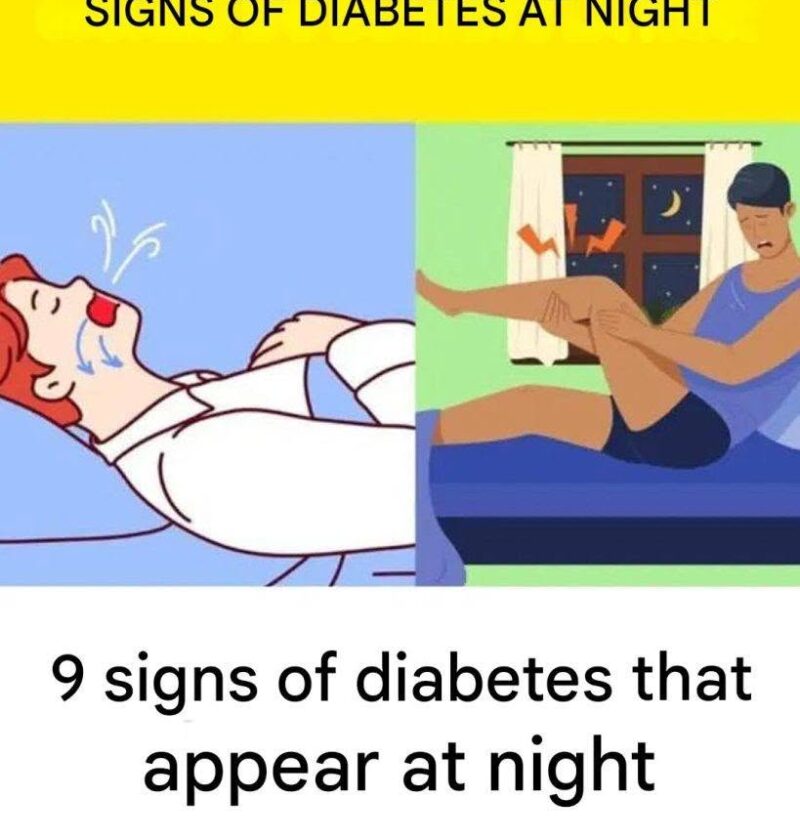
The headline “9 signs of diabetes that appear at night” is somewhat misleading. Diabetes does not have a special set of symptoms that only occur at night. However, some diabetes-related symptoms can become particularly noticeable overnight. (NIDDK)
9 nighttime signs worth paying attention to
- Waking up frequently to urinate — high blood glucose can cause increased urination.
- Excessive thirst at night — increased urination can contribute to dehydration and thirst.
- Night sweats — particularly in someone taking insulin or certain diabetes medicines, this can indicate nighttime low blood sugar. (NIDDK)
- Nightmares or restless sleep — nighttime hypoglycemia can cause nightmares or unusual sleep disturbances. (NIDDK)
- Waking shaky, hungry, dizzy, or confused — these can be symptoms of low blood glucose. (NIDDK)
- Morning headaches — can occur after overnight glucose disturbances, although headaches have many other causes.
- Persistent fatigue despite adequate sleep — high or low blood glucose can interfere with sleep and energy.
- Blurred vision — changes in blood glucose can affect vision. (NIDDK)
- Leg or foot symptoms — burning, tingling, numbness, or pain can occur with diabetic nerve damage; these symptoms may be particularly noticeable when resting at night. (NIDDK)
One important distinction
Night sweating, nightmares, shaking, or confusion are especially important in someone already taking insulin or a diabetes medication that can cause hypoglycemia. Blood glucose below 70 mg/dL (3.9 mmol/L) is considered low for many people with diabetes. (NIDDK)
These symptoms do not prove that someone has diabetes. Many people with type 2 diabetes have few or no symptoms, so diagnosis requires appropriate blood-glucose testing. (NIDDK)
If you tell me which of these symptoms you are experiencing at night and your age, I can explain what might be causing them and whether a diabetes test would be reasonable.