That headline is misleading. Many older adults do live past 80, and in many countries average life expectancy is now in the late 70s to 80s, with a growing number reaching 90+. So “don’t live much past 80” is not a universal truth—it depends on health, genetics, and environment.
What these posts usually mean is: after 80, health risks increase, not that life “normally ends” there.
🧓 4 real reasons health risks increase after 80
1. Chronic diseases accumulate over time
Conditions build up over decades, such as:
- Heart disease
- Diabetes
- Kidney disease
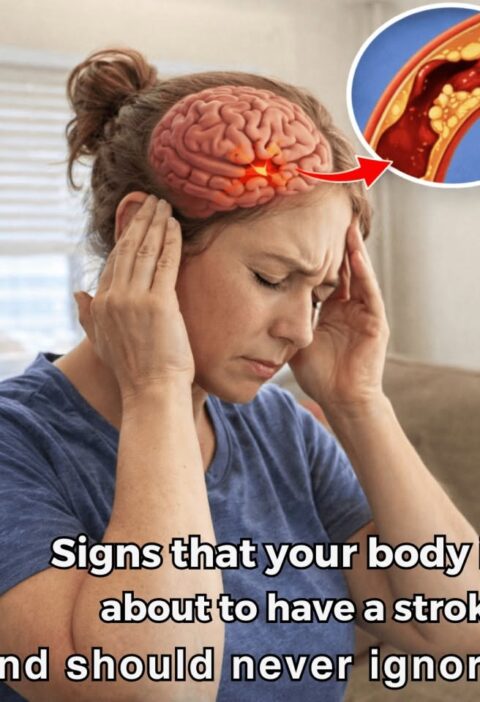
- Stroke risk
One major example is cardiovascular disease, which remains a leading cause of death in older age.
2. Natural decline in body strength and immunity
With aging:
- Muscles weaken (sarcopenia)
- Bones become fragile
- Immune system becomes less efficient
This makes infections and injuries more serious.
3. Higher risk of falls and complications
Falls become more dangerous because:
- Bones fracture more easily
- Recovery is slower
- Mobility issues increase
Even a simple fall can lead to long recovery periods.
4. Reduced physiological reserve
Older bodies have less “backup capacity”:
- The heart pumps less efficiently
- Lungs and organs recover more slowly
- Stress (illness, surgery) is harder to tolerate
This is called reduced resilience, not “failure.”
🧠 Important reality check
- Many people live well into their 80s, 90s, and beyond
- Lifestyle matters a lot (diet, exercise, smoking, healthcare access)
- Age alone is not a strict limit
🌿 What actually helps people live longer and healthier
- Regular physical activity
- Balanced diet
- Not smoking
- Managing blood pressure and diabetes
- Social engagement
- Preventive healthcare