The claim “If you reach 60 without these 5 diseases, you have a high probability of living to 100” is an oversimplification. Avoiding major chronic diseases by age 60 is certainly associated with better health and a greater chance of living longer, but it does not guarantee reaching 100. Genetics, environment, lifestyle, medical care, and chance all play important roles.
The five conditions often discussed as major threats to healthy aging are:
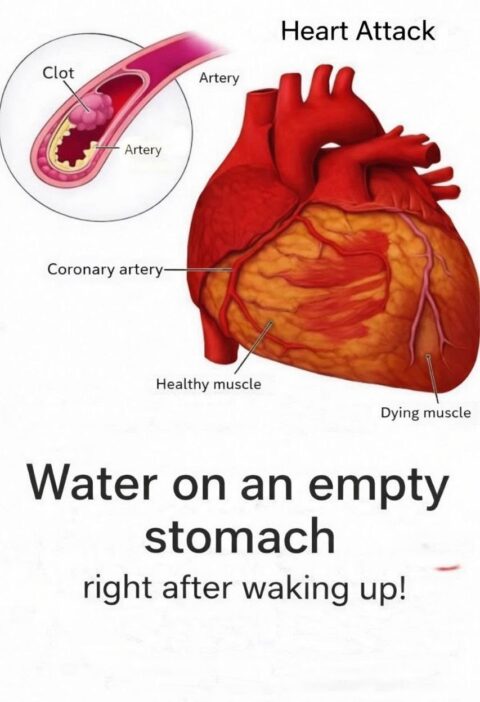
- Heart disease
- Includes coronary artery disease, heart attacks, and heart failure.
- Protecting heart health through exercise, healthy blood pressure, cholesterol management, and avoiding smoking can reduce risk.
- Stroke
- Often linked to high blood pressure, diabetes, smoking, and vascular disease.
- Managing risk factors is one of the most effective prevention strategies.
- Cancer
- Risk increases with age, though many cancers are influenced by lifestyle factors and screening.
- Regular recommended screenings can help detect some cancers earlier.
- Diabetes (especially type 2 diabetes)
- Can affect blood vessels, nerves, kidneys, eyes, and the heart.
- Healthy weight management, physical activity, and a balanced diet can lower risk.
- Neurodegenerative diseases (such as dementia)
- Age is the strongest risk factor, but brain health is influenced by factors like cardiovascular health, physical activity, hearing health, social connection, and education.
Habits linked with healthier aging
People who reach older ages in good health often share habits such as:
- Regular movement and strength training.
- Not smoking.
- Maintaining healthy blood pressure and cholesterol.
- Eating a nutrient-rich diet.
- Getting adequate sleep.
- Staying socially connected.
- Having regular medical checkups and screenings.
Reaching 60 without major chronic illness is a positive sign, but longevity is not determined by one checklist. Many people with chronic conditions live long, active lives, especially when those conditions are well managed.