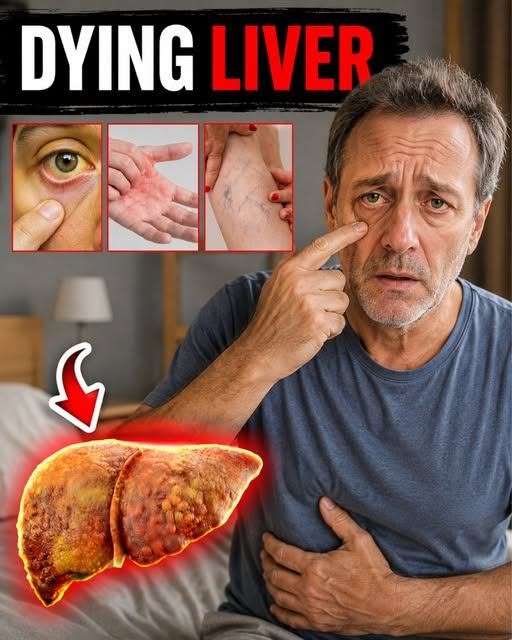
The headline “Dying Liver: 12 Weird Signs Your Liver Is Screaming For Help” is sensational. While liver disease can cause noticeable symptoms, many people with early liver disease have few or no symptoms.
Some signs that can occur with liver disease include:
- Yellowing of the skin or eyes (jaundice).
- Dark urine.
- Pale, clay-coloured stools.
- Persistent itching without an obvious rash.
- Swelling of the abdomen (ascites).
- Swelling of the legs or ankles.
- Easy bruising or bleeding.
- Persistent fatigue or weakness.
- Loss of appetite.
- Nausea or vomiting.
- Pain or discomfort in the upper right abdomen.
- Confusion, drowsiness, or personality changes, which can occur in advanced liver disease.
These symptoms are not specific to liver disease and can have many other causes. Having one or more of them does not necessarily mean your liver is “dying.”
When to seek urgent medical care
Seek immediate medical attention if you have:
- New or worsening jaundice.
- Vomiting blood or passing black, tarry stools.
- Severe abdominal pain or swelling.
- Confusion, difficulty staying awake, or loss of consciousness.
Protecting your liver
Some practical ways to reduce the risk of liver disease include:
- Limiting alcohol intake.
- Maintaining a healthy weight.
- Managing conditions such as diabetes and high cholesterol.
- Getting vaccinated against hepatitis A or B if recommended.
- Taking medications only as directed, including avoiding excessive doses of paracetamol (acetaminophen).
If you have persistent symptoms or risk factors for liver disease, a healthcare professional may recommend blood tests (often called liver function tests) and, if needed, imaging to determine the cause. Early diagnosis is often more important than waiting for symptoms to appear.