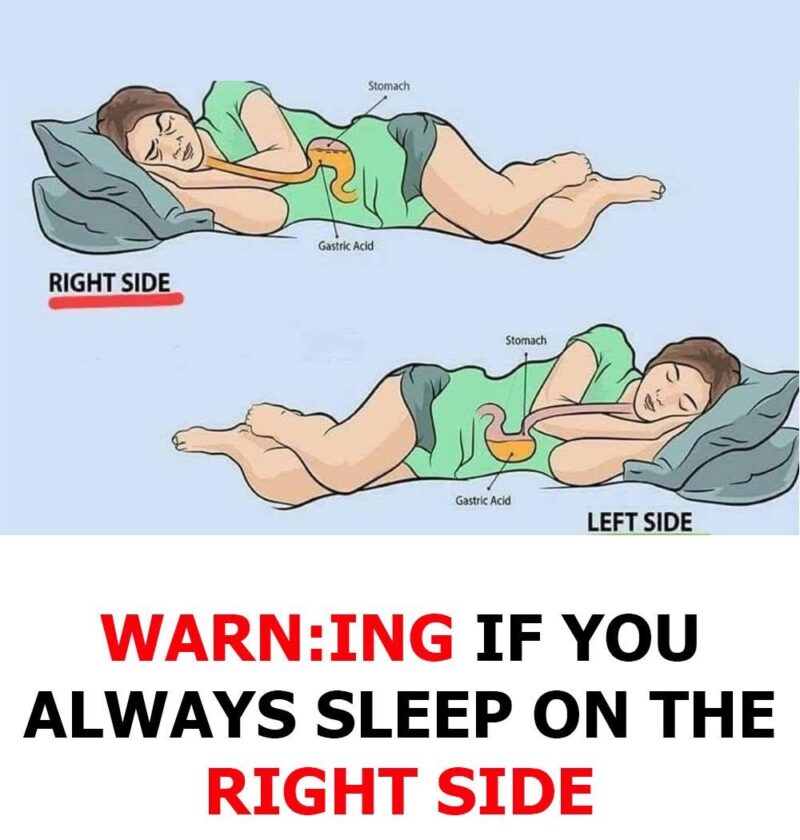
The claim “your sleeping position could be shortening your life” is usually an exaggeration.
Sleeping position can affect certain health issues, but there is no strong evidence that a common sleeping position directly shortens lifespan for most people.
What sleeping position can affect
Sleeping on your back
- May worsen snoring
- Can make Obstructive Sleep Apnea symptoms worse in some people
- Not inherently dangerous for healthy individuals
Sleeping on your side
- Often recommended for people with sleep apnea or acid reflux
- During pregnancy, side sleeping is commonly advised
- Many people find it comfortable and supportive
Sleeping on your stomach
- Can strain the neck and lower back
- May contribute to stiffness or discomfort upon waking
- Doesn’t appear to shorten life, but may cause musculoskeletal issues
The bigger issue: sleep quality
Research consistently shows that factors such as:
- Getting enough sleep
- Treating sleep apnea
- Maintaining a regular sleep schedule
- Avoiding chronic sleep deprivation
are much more important for long-term health than whether you sleep on your left side, right side, back, or stomach.
Untreated sleep apnea, for example, is associated with increased risks of high blood pressure, heart disease, and stroke. Obstructive Sleep Apnea
When sleeping position really matters
Certain medical conditions may benefit from specific positions:
- Acid reflux: side sleeping, particularly the left side, may help some people.
- Sleep apnea: side sleeping can reduce symptoms in some cases.
- Pregnancy: side sleeping is often recommended, especially later in pregnancy.
Bottom line
For most people, sleep position is a comfort and symptom-management issue, not a lifespan issue. The factors that matter most are:
- Getting enough sleep
- Good sleep quality
- Treating sleep disorders such as sleep apnea
- Maintaining overall health
If you’re concerned about a particular sleeping position (left side, right side, back, or stomach), tell me which one you use and whether you have any health condition