It
💧 Water Retention: What Causes It and How to Reduce It Safely
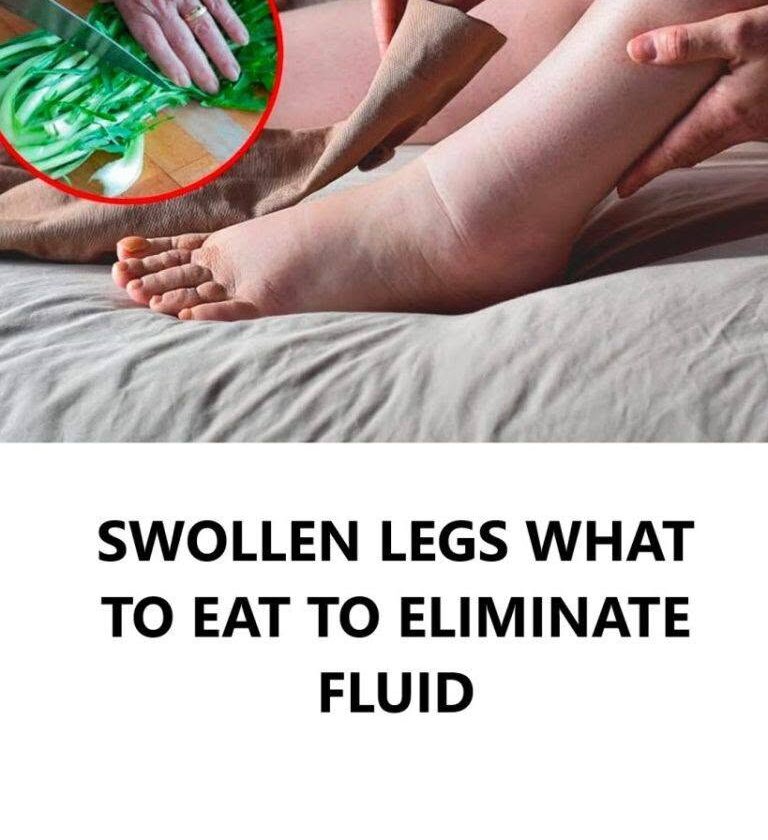
Water retention (also called edema) is when the body holds onto extra fluid in tissues, causing swelling—often in the legs, ankles, hands, or face. It’s common and usually manageable, but sometimes it can signal an underlying health issue.
🧠 What causes water retention?
1. High salt intake
Sodium plays a major role in fluid balance.
Too much sodium can cause the body to hold water, especially from:
- Processed foods
- Fast food
- Packaged snacks
2. Hormonal changes
Fluctuations in hormones can affect fluid balance, especially:
- Menstrual cycle
- Pregnancy
- Menopause
3. Sitting or standing too long
Poor circulation in the legs can lead to fluid buildup.
4. Poor hydration
Ironically, not drinking enough water can make the body retain more fluid as a protective response.
5. Certain medical conditions
Water retention can be linked to:
- Heart problems
- Kidney disease
- Liver disease
- Thyroid disorders
6. Medications
Some drugs may cause fluid retention, including:
- Blood pressure medications
- Steroids
- Anti-inflammatory drugs
🚶 How to reduce water retention naturally
1. Reduce excess salt
Focus on whole foods and reduce processed foods high in sodium.
2. Stay physically active
Movement helps fluid return through the lymphatic system:
- Walking
- Stretching
- Light exercise
3. Drink enough water
Proper hydration signals the body to release stored fluid.
4. Eat potassium-rich foods
Potassium helps balance sodium levels.
Foods include:
- Bananas
- Beans
- Spinach
- Potatoes
5. Elevate legs (if swelling is in lower body)
Helps fluid drain back toward circulation.
6. Reduce long periods of sitting
Stand up and move every 30–60 minutes.
⚠️ When to see a doctor
Seek medical advice if swelling is:
- Sudden or severe
- Painful
- Only on one side
- Accompanied by shortness of breath