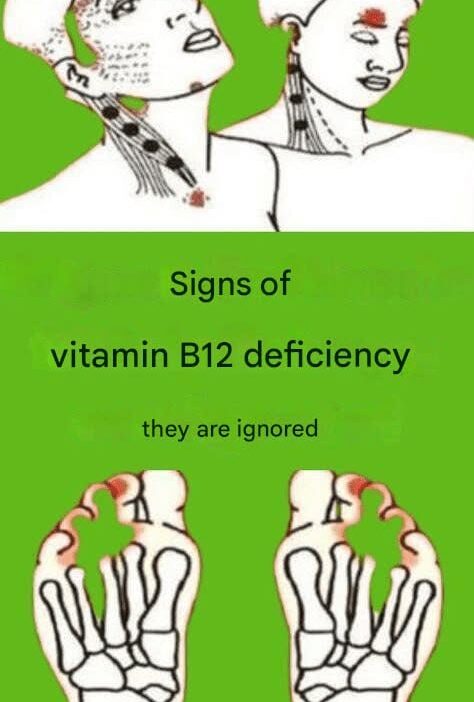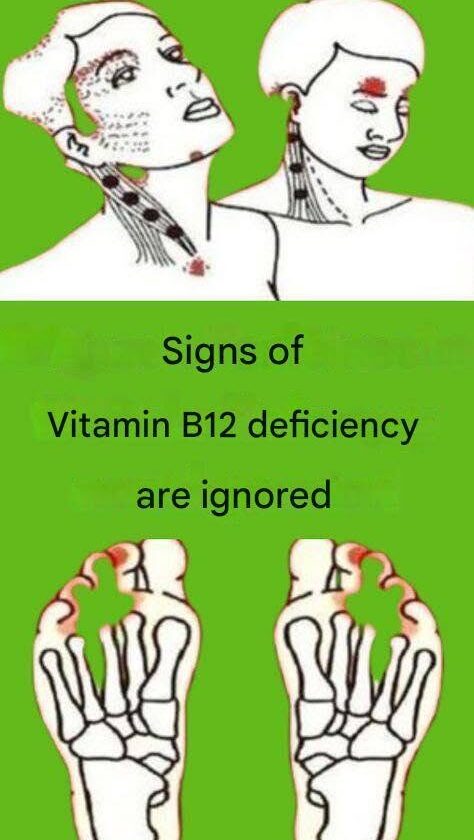
Common signs that may be missed
1. Persistent tiredness or weakness
Low B12 can lead to anemia, which may cause:
- Fatigue
- Low energy
- Reduced exercise tolerance
- Feeling weak
2. Tingling or numbness
B12 deficiency can affect nerves and may cause:
- “Pins and needles” sensations
- Numbness in the hands or feet
- Burning sensations
3. Balance problems
Nerve changes may contribute to:
- Unsteadiness when walking
- Increased risk of falls
4. Memory or concentration changes
Some people experience:
- Trouble focusing
- Forgetfulness
- Mental “slowness”
These symptoms have many possible causes, so they do not automatically mean B12 is low.
5. Mood changes
B12 deficiency has been associated with symptoms such as:
- Irritability
- Low mood
- Changes in emotional well-being
6. Pale skin or a sore tongue
Possible signs include:
- Pale appearance
- A smooth, red, or painful tongue
7. Vision changes (less common)
In rare cases, nerve damage related to B12 deficiency can affect vision.
Who is more likely to have low B12?
Risk can be higher in people who:
- Eat little or no animal products without supplementation
- Are older adults with reduced absorption
- Have certain digestive conditions (such as some stomach or intestinal disorders)
- Have had certain gastrointestinal surgeries
- Take some medications, including long-term metformin or acid-reducing medicines (depending on the individual situation)
How is B12 deficiency checked?
A healthcare professional can assess symptoms and may order blood tests, such as:
- Vitamin B12 level
- Complete blood count (CBC)
- Other tests if the result is unclear
Important
Do not assume every symptom is caused by B12 deficiency—fatigue, numbness, and memory changes can have many causes. If symptoms are persistent, a medical evaluation can help identify the reason.
If you share your age, diet (for example vegetarian/vegan or not), and symptoms you’ve noticed, I can help you understand whether B12 deficiency is something worth discussing with a healthcare professional.