Sarcopenia: Causes of Muscle Loss and Solutions
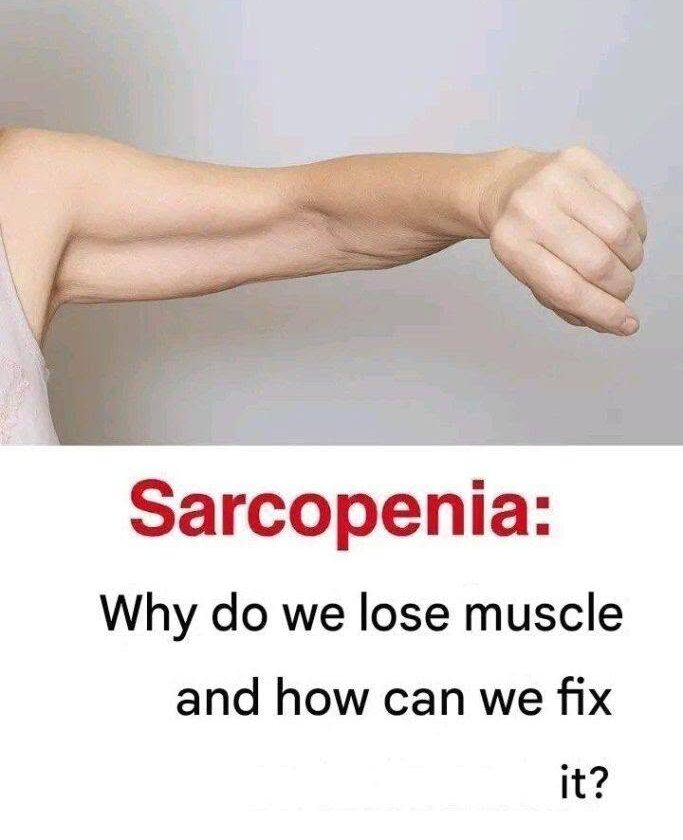
Sarcopenia is a condition characterized by the gradual loss of muscle mass, strength, and physical function, most commonly associated with aging. While some muscle decline is a natural part of getting older, sarcopenia can become a serious health concern when it affects mobility, balance, independence, and overall quality of life.
The condition does not only involve losing muscle size. A person may also experience reduced muscle strength and a slower ability to perform everyday activities, such as climbing stairs, carrying groceries, or getting up from a chair.
What Causes Sarcopenia?
Several factors can contribute to muscle loss. These causes often work together over time.
1. Aging-Related Changes
As people age, the body naturally becomes less efficient at maintaining and building muscle. Hormone levels may change, muscle cells may become less responsive to growth signals, and the body’s ability to repair muscle tissue can decline.
2. Lack of Physical Activity
A sedentary lifestyle is one of the biggest contributors to muscle loss. Muscles need regular use and resistance to stay strong. Long periods of inactivity can accelerate muscle breakdown and reduce strength.
3. Poor Nutrition
Muscle requires adequate nutrients to maintain and repair itself. Low intake of protein, calories, vitamins, and minerals can contribute to muscle loss, especially in older adults who may have reduced appetite or difficulty eating enough.
4. Hormonal Changes
Hormones such as testosterone, growth hormone, and insulin-like growth factor play a role in muscle maintenance. Changes in these hormones with age may make it harder for the body to preserve muscle.
5. Chronic Health Conditions
Certain illnesses can increase the risk of sarcopenia, including:
- Diabetes
- Chronic kidney disease
- Heart disease
- Long-term inflammatory conditions
- Cancer and treatments that affect appetite or muscle function
Signs and Symptoms of Sarcopenia
Common signs may include:
- Reduced strength
- Difficulty lifting or carrying objects
- Slower walking speed
- Frequent falls or poor balance
- Feeling tired during normal activities
- Difficulty performing daily tasks
Early recognition is important because muscle loss can often be slowed or improved with proper lifestyle changes.
Solutions and Ways to Prevent Muscle Loss
1. Strength Training
Resistance exercise is one of the most effective ways to maintain and build muscle. Activities such as weight training, resistance band exercises, and bodyweight movements encourage muscles to become stronger.
A consistent program performed safely and progressively can help improve muscle strength and physical function.
2. Eat Enough Protein
Protein provides the amino acids needed for muscle repair and growth. Good protein sources include:
- Eggs
- Fish
- Chicken
- Lean meats
- Dairy products
- Beans and lentils
- Nuts and seeds
Older adults may need to pay extra attention to protein intake because the body may become less efficient at using protein for muscle building.
3. Maintain a Balanced Diet
A healthy diet should include:
- Fruits and vegetables
- Whole grains
- Healthy fats
- Adequate calories
- Essential vitamins and minerals
Nutrients such as vitamin D and calcium also support bone and muscle health.
4. Stay Physically Active
Regular movement helps maintain muscle function. Walking, climbing stairs, stretching, and balance exercises can support overall mobility.
5. Get Proper Sleep
Sleep is important for muscle recovery and overall health. Poor sleep quality can affect hormone balance and the body’s ability to repair tissues.
6. Manage Health Conditions
Controlling chronic diseases and reviewing medications with a healthcare professional can help reduce factors that contribute to muscle decline.
When to Seek Medical Advice
People experiencing rapid muscle loss, repeated falls, significant weakness, or difficulty with daily activities should consult a healthcare professional. A medical evaluation can help identify causes and create an appropriate exercise and nutrition plan.
Final Thoughts
Sarcopenia is a common condition associated with aging, but it is not an unavoidable outcome of getting older. Regular strength training, adequate protein intake, healthy nutrition, and an active lifestyle can help protect muscle strength and support independence throughout life.