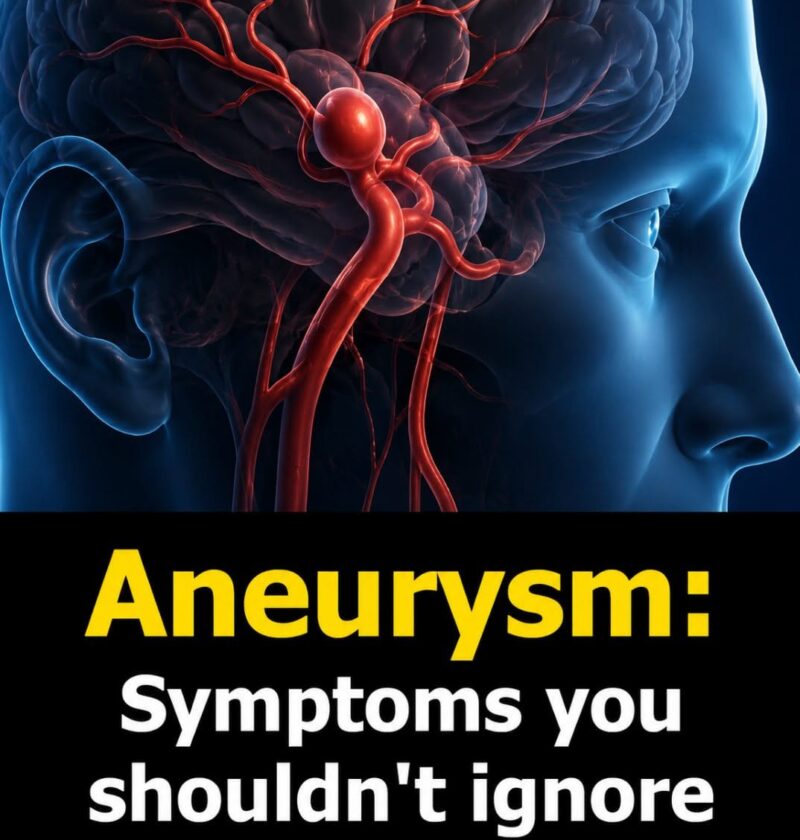
Aneurysm: Signs You Shouldn’t Ignore
An aneurysm is a weakened area in the wall of a blood vessel that causes it to bulge or enlarge. Many aneurysms do not cause symptoms and may only be discovered during medical testing for another reason. However, if an aneurysm grows, leaks, or ruptures, it can become a life-threatening emergency.
Knowing the warning signs and seeking medical attention quickly can make a significant difference.
What Causes an Aneurysm?
Aneurysms can develop when the walls of blood vessels become weakened. Several factors may increase the risk, including:
- High blood pressure
- Smoking
- High cholesterol
- Family history of aneurysms
- Age-related changes in blood vessels
- Certain genetic conditions
- Injury or infection affecting blood vessels
Signs of an Aneurysm You Should Not Ignore
Symptoms depend on the location and size of the aneurysm. Some warning signs require urgent medical evaluation.
1. Sudden, Severe Headache
A sudden, intense headache often described as the “worst headache of your life” can be a warning sign of a brain aneurysm rupture. This may occur with other symptoms such as nausea, vomiting, neck stiffness, confusion, or loss of consciousness.
2. Sudden Weakness or Numbness
Aneurysms affecting blood vessels in the brain can cause stroke-like symptoms, including:
- Weakness or numbness on one side of the body
- Difficulty speaking
- Trouble understanding speech
- Loss of balance or coordination
3. Chest, Back, or Abdominal Pain
An aneurysm in the aorta, the body’s largest artery, may cause pain in the chest, back, or abdomen. A sudden, severe tearing or ripping sensation can be a medical emergency.
4. A Pulsating Feeling in the Abdomen
Some abdominal aortic aneurysms may cause a noticeable pulsing sensation in the stomach area, especially in thin individuals. This should be evaluated by a healthcare professional.
5. Vision Problems or Eye Symptoms
A brain aneurysm may sometimes affect nearby nerves and cause:
- Blurred or double vision
- Drooping eyelid
- Pain around the eye
- Changes in pupil size
When to Seek Emergency Help
Seek immediate medical attention if someone experiences:
- A sudden, severe headache
- Sudden weakness, numbness, or difficulty speaking
- Loss of consciousness
- Severe chest, back, or abdominal pain
- Signs of stroke
These symptoms can indicate a ruptured aneurysm or another serious medical condition.
How Are Aneurysms Prevented or Managed?
Not all aneurysms require immediate treatment. Doctors may monitor some aneurysms with regular imaging tests, while others may require medication, surgery, or procedures to repair the weakened blood vessel.
Ways to support blood vessel health include:
- Keeping blood pressure under control
- Avoiding smoking
- Maintaining healthy cholesterol levels
- Exercising regularly
- Eating a balanced diet
- Following medical advice for existing health conditions
Final Thoughts
Aneurysms can develop silently, but certain warning signs should never be ignored. Sudden severe pain, neurological changes, or symptoms of a possible rupture require urgent medical attention. Regular health checkups and managing risk factors can help protect long-term blood vessel health.