As a Brain Doctor, I’m Shocked This Common Vitamin Could Raise Stroke Concerns for Seniors
Vitamins are essential nutrients that help support the body’s normal functions, including brain health, energy production, and the maintenance of nerves and blood vessels. However, more is not always better. Some supplements that are commonly viewed as harmless can cause problems when taken in high doses or without medical guidance.
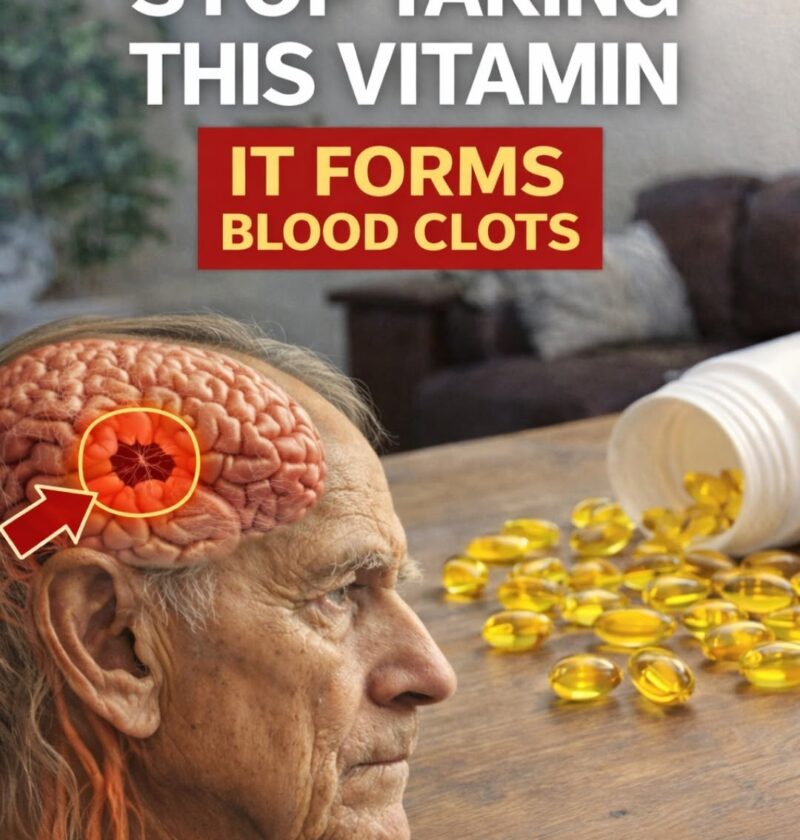
One vitamin that has received attention in cardiovascular research is vitamin E. While vitamin E plays an important role as an antioxidant, high-dose vitamin E supplements have been studied because of possible links to an increased risk of certain bleeding events, including a type of stroke called hemorrhagic stroke.
Understanding Vitamin E and the Brain
Vitamin E helps protect cells from oxidative stress and supports normal immune and nervous system function. Many people get enough vitamin E from foods such as:
- Nuts and seeds
- Vegetable oils
- Spinach and other leafy greens
- Whole grains
For most people, obtaining vitamin E through a balanced diet is considered safe and beneficial.
Why High-Dose Vitamin E Supplements May Be a Concern
Research has explored whether large doses of vitamin E supplements may affect blood clotting. Because vitamin E can have mild blood-thinning effects, very high amounts may increase bleeding risk in some individuals, particularly those who already have risk factors.
Older adults may need extra caution because they are more likely to:
- Take blood-thinning medications
- Have high blood pressure
- Have a history of cardiovascular disease
- Use multiple supplements or medications together
Does This Mean Seniors Should Avoid Vitamin E?
Not necessarily. Vitamin E is an important nutrient, and deficiency can cause health problems. The concern is mainly related to taking high-dose supplements without a clear medical reason.
Before starting vitamin E supplements, seniors should discuss their needs with a healthcare professional, especially if they take medications that affect blood clotting.
Safer Ways to Support Brain and Blood Vessel Health
Protecting brain health involves many lifestyle factors, including:
- Maintaining healthy blood pressure
- Exercising regularly
- Eating a balanced diet rich in fruits, vegetables, and whole foods
- Managing cholesterol and blood sugar levels
- Getting enough quality sleep
- Avoiding smoking
Final Thoughts
Vitamin E is not a harmful vitamin when consumed in normal amounts through food. However, high-dose supplementation may not be appropriate for everyone, especially older adults with certain health conditions or medications. The best approach is to use supplements only when needed and with guidance from a qualified healthcare professional.
Good brain health is supported by consistent healthy habits, not by taking large amounts of any single nutrient.