After Gallbladder Removal: 3 Conditions You Should Know About and When Surgery Is Recommended
Gallbladder removal surgery, known as cholecystectomy, is one of the most common surgical procedures performed worldwide. It is usually recommended when gallstones or other gallbladder problems cause repeated pain, inflammation, infection, or complications.
While many people recover well and return to normal activities after gallbladder removal, some may experience digestive changes or other health concerns afterward. Understanding the possible effects can help people make informed decisions with their healthcare providers.
What Does the Gallbladder Do?
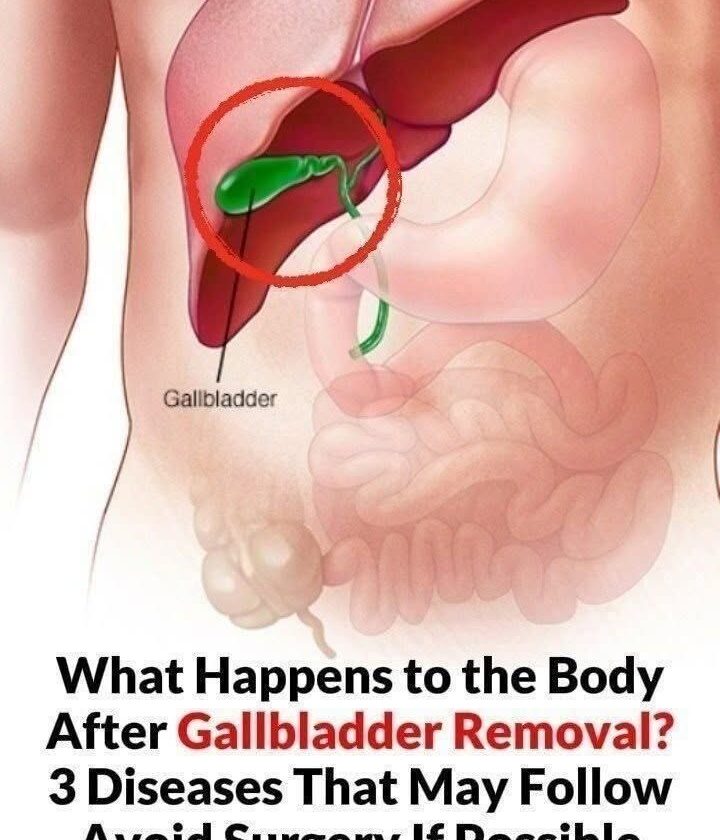
The gallbladder is a small organ located beneath the liver. Its main function is to store and release bile, a fluid made by the liver that helps digest fats.
When the gallbladder is removed, bile flows directly from the liver into the small intestine. The body can usually adapt to this change, but some people notice differences in digestion.
3 Possible Conditions or Changes After Gallbladder Removal
1. Bile Acid Diarrhea
Some people experience frequent, loose stools after gallbladder surgery. This can happen because bile may continuously flow into the intestine instead of being released mainly after meals.
Extra bile in the colon can irritate the intestinal lining and lead to:
- Frequent bowel movements
- Loose stools
- Urgency after eating
This condition can often be managed with dietary adjustments and, in some cases, medications prescribed by a healthcare professional.
2. Digestive Changes and Fat Intolerance
After gallbladder removal, some people may have difficulty digesting large amounts of fatty foods. Symptoms may include:
- Bloating
- Gas
- Indigestion
- Abdominal discomfort
Eating smaller meals and reducing very high-fat foods can help the digestive system adjust.
3. Changes in Bile Flow and Digestive Symptoms
A small number of people develop ongoing digestive symptoms after surgery, sometimes referred to as post-cholecystectomy syndrome. Symptoms can include abdominal discomfort, nausea, or changes in bowel habits.
These symptoms may have different causes, and medical evaluation can help identify the best treatment.
Should You Avoid Gallbladder Surgery?
Gallbladder removal is not a procedure that should be avoided in all cases. For many people with serious gallbladder disease, surgery can prevent dangerous complications such as:
- Repeated gallbladder inflammation
- Blocked bile ducts
- Serious infections
- Pancreatitis caused by gallstones
However, surgery may not always be necessary for people who have gallstones but no symptoms. The decision depends on factors such as symptoms, medical history, and risk of complications.
Questions to Discuss With Your Doctor
Before deciding on surgery, consider discussing:
- Are my symptoms definitely caused by gallbladder problems?
- What are the risks of waiting?
- Are there non-surgical treatment options?
- What is my personal risk of complications?
Supporting Digestive Health After Surgery
People who have gallbladder removal may benefit from:
- Eating smaller, balanced meals
- Gradually increasing fiber intake
- Limiting very greasy or high-fat foods if they trigger symptoms
- Staying physically active
- Following medical advice
Final Thoughts
Gallbladder removal can be an effective and safe treatment for many people, especially when gallstones or gallbladder disease cause significant problems. Although some individuals experience digestive changes afterward, these issues can often be managed with proper care.
The decision to have surgery should be based on an individual’s health situation and made together with a qualified healthcare professional. Avoiding surgery when it is medically necessary can carry its own risks.