Natural Methods to Combat Ants: How to Get Rid of These Uninvited Guests Without Harsh Chemicals
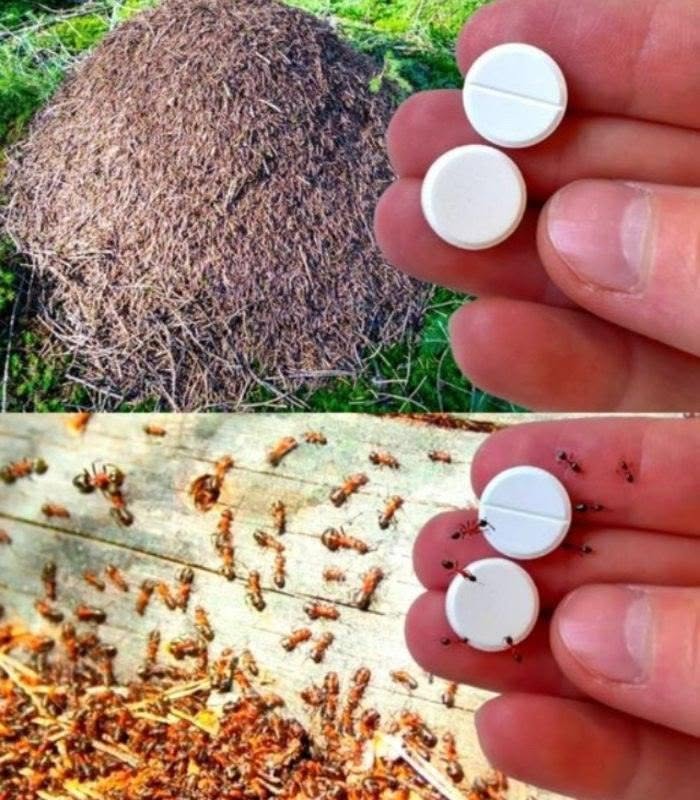
Ants are among the most common household pests. Although they are generally harmless, they can quickly become a nuisance when they invade kitchens, pantries, or outdoor living spaces in search of food and water. Fortunately, there are several natural ways to discourage ants and reduce their presence without relying on harsh chemical pesticides.
The most effective long-term solution combines good sanitation, sealing entry points, and using natural deterrents. While these methods can help manage small infestations, larger or persistent problems may require professional pest control.
Why Ants Enter Your Home
Ants are constantly searching for resources that help sustain their colony. They are especially attracted to:
- Food crumbs and sugary spills
- Pet food left out for long periods
- Standing water or damp areas
- Open food containers
- Easy access through cracks around doors, windows, or foundations
Once scout ants find a food source, they leave a scent trail that guides other ants to the same location.
Keep Your Home Clean
The first step in preventing ants is removing what attracts them.
Make it a habit to:
- Wipe kitchen counters after preparing meals.
- Sweep or vacuum floors regularly.
- Clean up spills immediately.
- Store food in airtight containers.
- Empty trash bins frequently and keep lids closed.
- Wash pet food bowls after meals.
Even small crumbs can attract a steady stream of ants.
Seal Entry Points
Inspect your home for places where ants may enter, including:
- Cracks in walls or foundations
- Gaps around windows and doors
- Openings around pipes and utility lines
- Damaged window screens
Sealing these gaps with caulk or weatherstripping can help prevent new ants from entering.
Use White Vinegar to Disrupt Ant Trails
A mixture of equal parts white vinegar and water can help remove the scent trails ants use to navigate.
Simply:
- Mix equal parts vinegar and water in a spray bottle.
- Spray along ant trails, countertops, windowsills, and doorways.
- Wipe the surfaces clean.
The smell fades as the solution dries, but the cleaned surface no longer carries the ants’ chemical trail.
Lemon Juice Around Entryways
The acidity of lemon juice may help mask ant scent trails.
Apply fresh lemon juice around:
- Door thresholds
- Windowsills
- Small cracks
- Areas where ants frequently appear
While this may discourage ants temporarily, it works best when combined with good cleaning practices.
Cinnamon as a Natural Deterrent
Some people use ground cinnamon or cinnamon essential oil around common entry points because its strong scent may discourage ants.
Sprinkle a light amount near:
- Doors
- Windows
- Baseboards
- Outdoor entry areas
If using essential oils, keep them out of reach of children and pets, as some oils can be harmful if ingested or applied improperly.
Peppermint Essential Oil
Peppermint oil is another popular natural option.
Mix a few drops with water in a spray bottle and lightly spray areas where ants are entering.
As with any essential oil:
- Avoid spraying directly on food-preparation surfaces without cleaning afterward.
- Use caution around pets, particularly cats, which can be sensitive to certain essential oils.
Food-Grade Diatomaceous Earth
Food-grade diatomaceous earth is a fine natural powder that can help reduce crawling insects by damaging their outer protective layer.
To use it:
- Apply a thin layer in dry areas where ants travel.
- Avoid breathing in the dust during application.
- Keep the powder dry, as moisture reduces its effectiveness.
Only use food-grade diatomaceous earth—not products intended for pool filtration.
Eliminate Moisture
Ants also need water.
Reduce moisture by:
- Repairing leaking faucets and pipes.
- Drying sinks before bedtime.
- Improving ventilation in damp rooms.
- Avoiding standing water around houseplants.
Trim Outdoor Vegetation
Branches, shrubs, and plants touching your home can provide ants with easy access.
Keep vegetation trimmed back and remove piles of leaves or wood that may serve as nesting sites near the house.
Natural Doesn’t Always Mean Risk-Free
Although these methods avoid conventional insecticides, “natural” does not automatically mean completely safe.
When using natural products:
- Follow product instructions carefully.
- Store essential oils safely away from children and pets.
- Test cleaning solutions on a small area first to avoid surface damage.
- Avoid mixing household cleaners unless the combination is known to be safe.
When to Call a Professional
Natural methods may not be enough if:
- Ants continue returning despite preventive measures.
- You discover multiple nests inside your home.
- The infestation is large or spreading.
- You suspect carpenter ants, which can damage wood structures.
A licensed pest control professional can identify the species and recommend the most appropriate treatment.