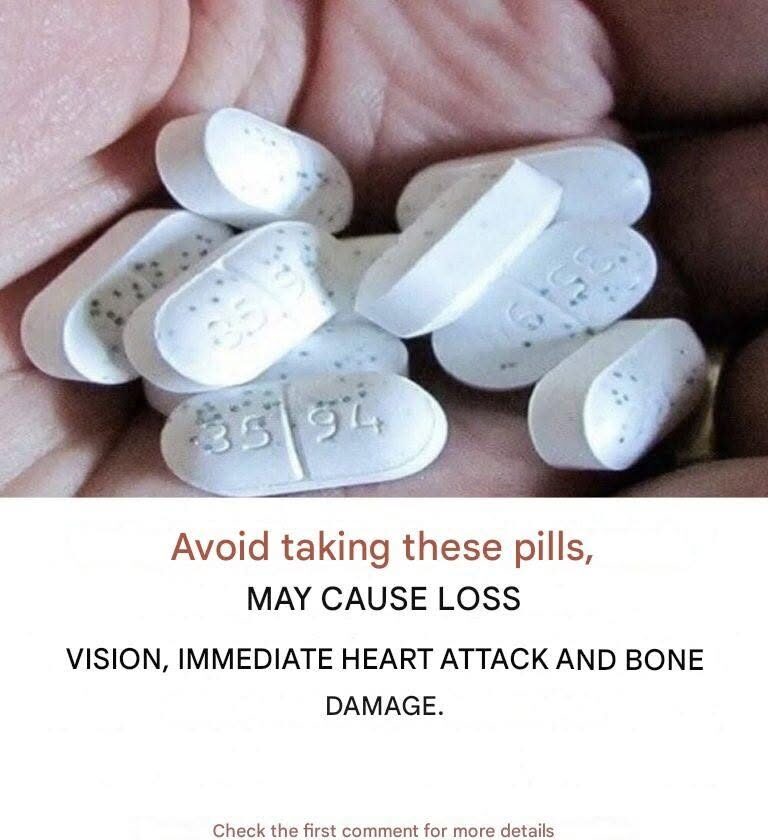
That kind of statement is alarmist and incomplete. Whether a tablet can cause blood clots, thrombosis, or heart attack depends entirely on which medicine it is, the dose, and the person using it.
Important truth:
No medicine “in general” causes clots or heart attacks. Only specific drugs in specific situations may increase risk.
Examples of medicines that can increase clot risk (in certain people):
- Combined oral contraceptive pills (estrogen-containing birth control)
- Hormone replacement therapy (HRT)
- Some cancer medications
- Rare side effects from certain blood-stimulating drugs
Even then, the risk is usually low and depends on personal factors like:
- Smoking
- Obesity
- Previous clot history
- Long immobility (bed rest, travel)
- Genetic clotting disorders
Important contrast:
Many other tablets actually do the opposite:
- Blood thinners (e.g., aspirin, warfarin, apixaban) reduce clot risk
- Doctors prescribe these specifically to prevent heart attacks and strokes in high-risk patients
Bottom line:
- The warning is not meaningful without naming the medicine
- Clot risk is drug-specific and patient-specific, not a universal rule
- Viral posts often exaggerate side effects to get attention
If you tell me the name of the tablet you saw in that post, I can explain its real, evidence-based risks clearly.